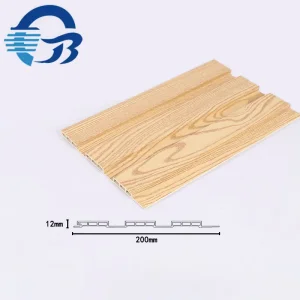
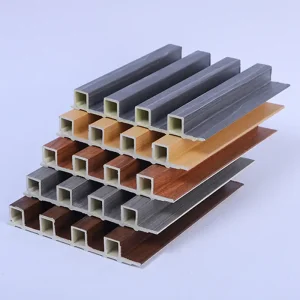
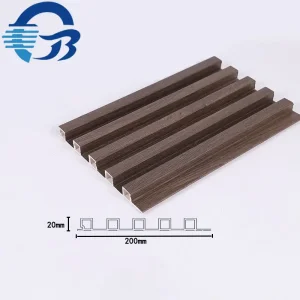
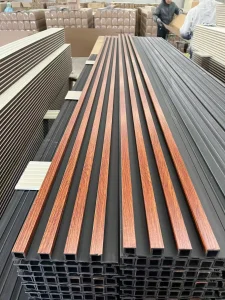
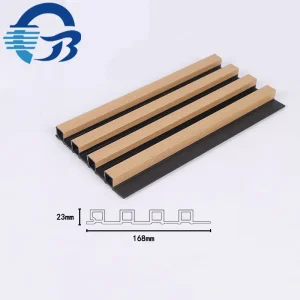
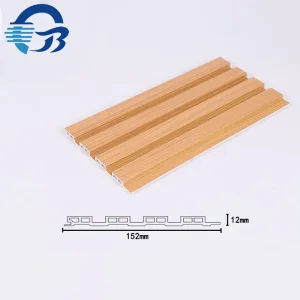
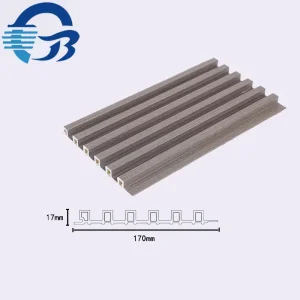
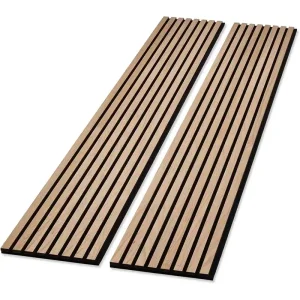
Innovative designs tailored for modern aesthetic and ecological standards.
In the contemporary construction and interior design sector, Bamboo Fiber Wall Panels have emerged as a disruptive innovation, bridging the gap between ecological responsibility and high-end aesthetics. As the global community pivots toward "Net Zero" carbon targets, the industrial demand for renewable, bamboo-based building materials has skyrocketed. Unlike traditional wood panels that require decades of forest growth, bamboo matures in just 3-5 years, providing a sustainable biomass source that actually sequesters more carbon than most hardwood species.
Current industrial data suggests the global eco-friendly wall cladding market is projected to grow at a CAGR of 12.4%. Key drivers include the surge in "Green Building" certifications (LEED, BREEAM) and the tightening regulations on Formaldehyde emissions in Europe, North America, and Southeast Asia. China Bamboo Fiber Wall Panel Factories currently supply over 75% of the global market, leveraging sophisticated extrusion technology and advanced polymer integration to create panels that outperform traditional WPC (Wood Plastic Composite) in durability, fire resistance, and weight-to-strength ratios.
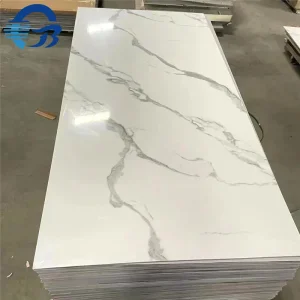
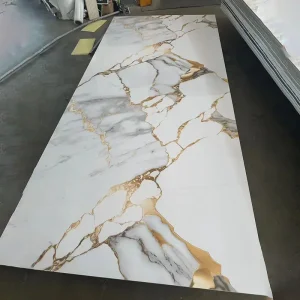
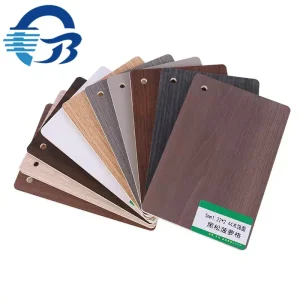
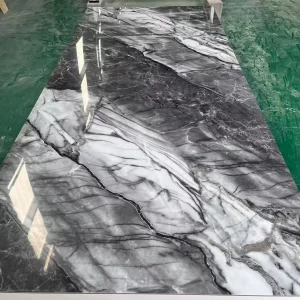
Using AI-assisted surface design, factories are now producing "Pet Marble" and "Bamboo Charcoal Veneers" that are indistinguishable from natural stone or rare wood, offering luxury at a fraction of the cost.
Post-pandemic trends have accelerated the integration of silver-ion and charcoal-infused antibacterial layers, making these panels essential for healthcare and hospitality environments.
The "Click-Lock" system and tongue-and-groove engineering are becoming standard, reducing installation time by 60% and labor costs globally.
Global procurement managers from regions like the Middle East (Dubai, Saudi Arabia), Southeast Asia (Vietnam, Thailand), and South America (Brazil, Chile) look to China for high-volume, consistent quality. In arid climates, bamboo fiber panels are prized for their resistance to warping under extreme heat, while in tropical regions, their 100% waterproof and termite-proof nature makes them superior to traditional timber.
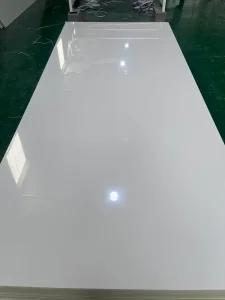
Residential Scenarios: Modern urban apartments are utilizing High Gloss White Bamboo Fiber panels for a minimalist, clean-tech look that is easy to maintain.
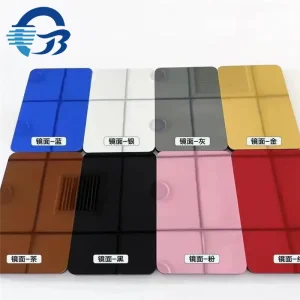
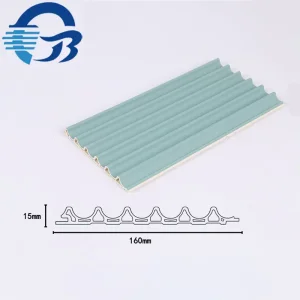
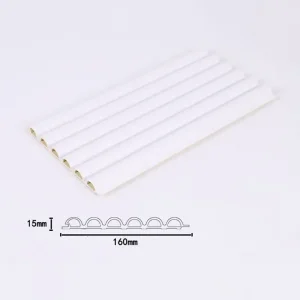
Commercial Scenarios: Hotels and airports favor WPC fluted wall panels for acoustic dampening and high-traffic durability, combined with the "Mirror Board" series for visual expansion of luxury suites.
Shandong Qianbang New Building Materials Co., Ltd. is a professional manufacturer of environmental protection decoration materials. Our company is located in Linyi, Shandong Province, China—the logistics and wood product capital of the world. We have more than 10 years of foreign trade experience and a mature foreign trade team to provide customers with quality services. Products are exported to Southeast Asia, the Middle East, South America, and other regions.
Our main products include PVC/WPC/PET wall panels, wood veneer metal panels, mirror panels, and sand stone panels. Our products are made of environment-friendly materials, which have the advantages of no pollution, zero formaldehyde, waterproof, moisture-proof, fireproof, low maintenance, easy to clean, lightweight, and easy to install. From the screening, processing, and production of raw materials to the inspection and packing, all steps are completed by the company's integration.
Advanced polymers meets natural bamboo charcoal fibers for ultimate durability.
To understand why China Bamboo Fiber Wall Panel suppliers lead the world, one must look at the material engineering. The core is a homogenous blend of high-density bamboo fiber powder and medical-grade PVC/PET polymers. During the high-temperature extrusion process, the natural lignin in the bamboo bonds with the polymers, creating a lattice structure that is virtually indestructible by water or biological pests. This process, perfected in Shandong's industrial hubs, ensures that the panels do not expand or contract like traditional wood when subjected to the humidity fluctuations common in coastal areas or tropical regions.
Furthermore, the "Bamboo Charcoal" variant involves a secondary carbonization process. This increases the surface area of the fiber at a microscopic level, allowing the wall panels to actually absorb odors and TVOCs (Total Volatile Organic Compounds) from the air—making them a "living" part of a home's air purification system. For global distributors, this isn't just a decoration product; it's a health and lifestyle upgrade for their end-users.
Purchasing managers for large-scale developments in India, UAE, and the USA prioritize Linyi-based factories like Qianbang due to the unparalleled logistical ecosystem. Linyi is famous for its integrated raw material markets, which means we source our bamboo fiber and polymer resins locally, reducing transport costs and carbon footprints before the product even enters the production line. Our 10 years of export experience means we understand the complexities of international trade, from SGS certifications to moisture-proof shipping containers, ensuring that your wholesale bamboo wall panels arrive in pristine condition, ready for immediate installation.
The "Integrated Wall" concept promoted by China Bamboo Fiber Wall Panel Manufacturers revolves around a "Dry Construction" methodology. Unlike wallpaper that peels or paint that chips, these panels utilize a interlocking system that can be installed directly onto rough cement walls. This eliminates the need for plastering and base-layer prepping, cutting renovation timelines by 50% for commercial projects like retail stores and hotel corridors. Maintenance is as simple as wiping with a damp cloth—a key selling point for property managers looking to minimize long-term operational costs.
 Qianbang