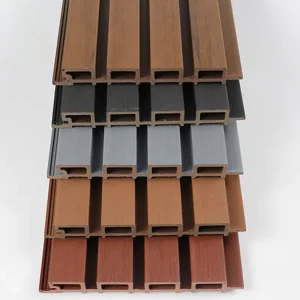
Engineered Polymer & Composite Wall Cladding for Global Architectural Projects
Modern interior and exterior architecture demands materials that balance aesthetics, durability, and cost-effectiveness. Traditional wall decorative options such as wood paneling, drywall cladding, and ceramic tiling present specific operational constraints, including high labor costs, structural weight burdens, and susceptibility to moisture and biological decay. 3D plastic wall panels, developed through advanced co-extrusion and precision injection molding technologies, represent a significant evolution in surface design. Engineered using high-performance polymers, wood plastic composites (WPC), polyvinyl chloride (PVC), and polyethylene terephthalate (PET), these products deliver three-dimensional texturing that creates architectural interest while satisfying demanding mechanical performance standards.
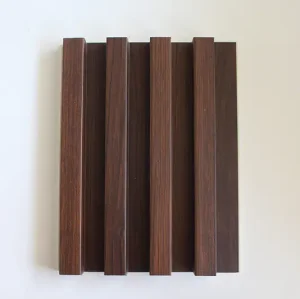
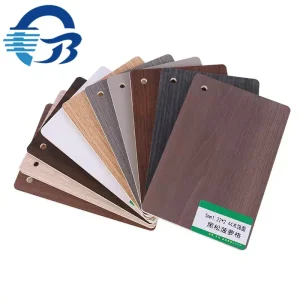
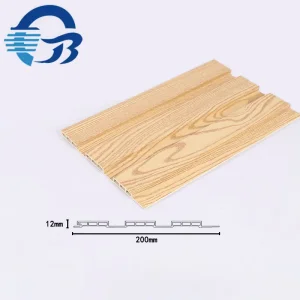
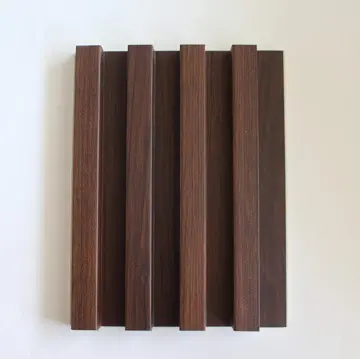
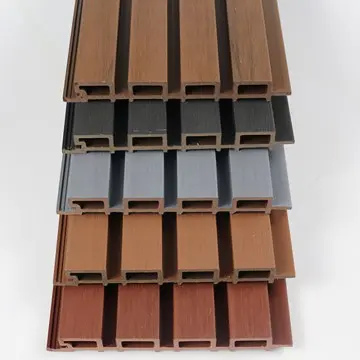
Within this material category, Wood Plastic Composite (WPC) and Bamboo Charcoal Co-extrusion represent highly sophisticated polymer formulations. WPC combines natural wood fibers or bamboo dust with thermoplastic resins to create a wood-like appearance with thermoplastic durability. For interior applications, bamboo charcoal veneer panels provide high structural density and natural adsorption properties that help control environmental humidity and mitigate VOC (volatile organic compound) emissions inside commercial buildings. These panels are engineered with specialized scratch-resistant co-extrusion outer layers, making them resilient to typical wear and tear in commercial corridors, hospitality halls, and residential living spaces.
Technical Insight: By incorporating modified acrylic or ASA (Acrylonitrile Styrene Acrylate) co-extrusion caps, modern 3D plastic wall panels exhibit exceptional UV stability, preventing yellowing, thermal degradation, and micro-cracking in high-exposure architectural configurations.
Formulated using eco-friendly polymers and bamboo charcoal composites, achieving E0/EN13986 indoor air quality ratings.
Engineered with polymer flame-retardant additives, meeting international fire classification standards for commercial buildings.
100% waterproof synthetic core prevents structural rot, mold, and termite infestations in high-humidity zones.
As builders transition from heavy, labor-intensive materials to lightweight, dry-installed architectural finishes, the application scenarios for 3D plastic wall panels have expanded across multiple sectors. Their dynamic geometric designs provide high visual impact, making them popular for high-traffic environments, luxury workspaces, and residential settings alike.
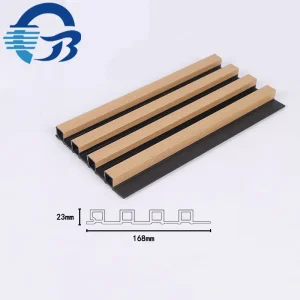
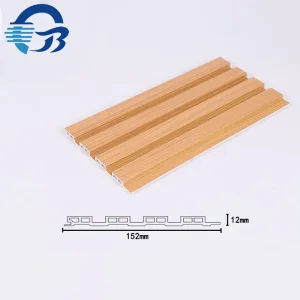
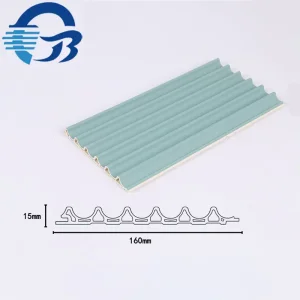
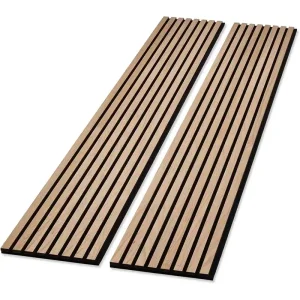
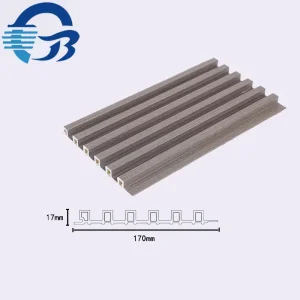
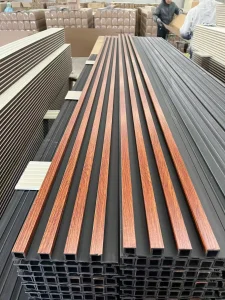
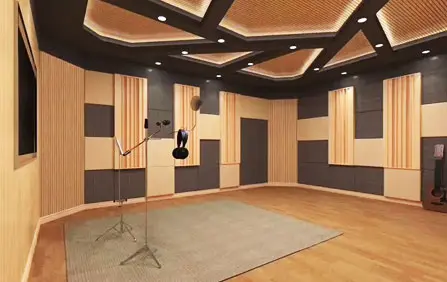
In the hospitality sector, including hotels, resorts, and premium lobbies, 3D WPC fluted wall panels are used to create feature backdrops. The fluted grooves add visual depth and help break up acoustic reflections, reducing echoes in open spaces. In corporate real estate, these panels offer modular solutions for office corridors, conference rooms, and reception desks. Their ease of installation allows for overnight renovations, minimizing operational downtime for commercial properties.
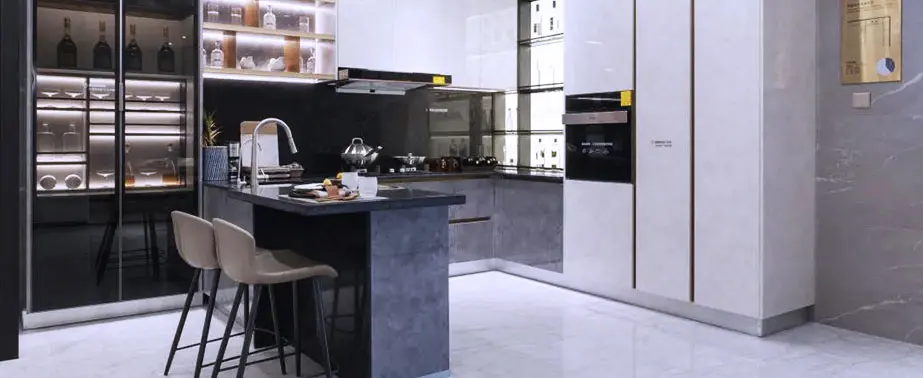
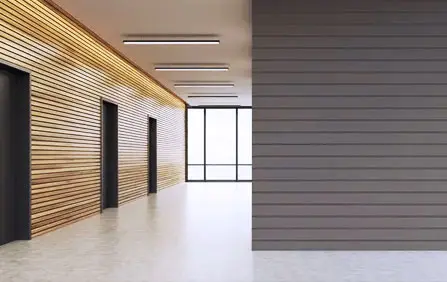
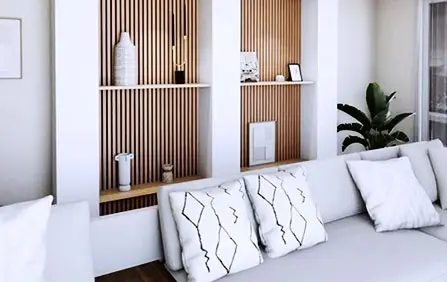
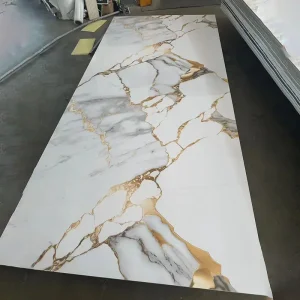
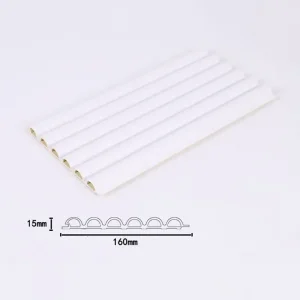
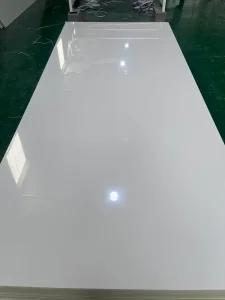
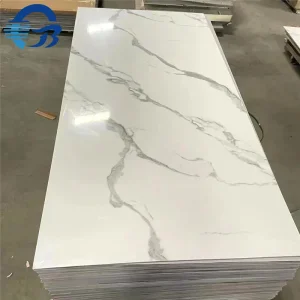
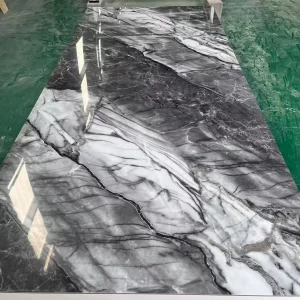
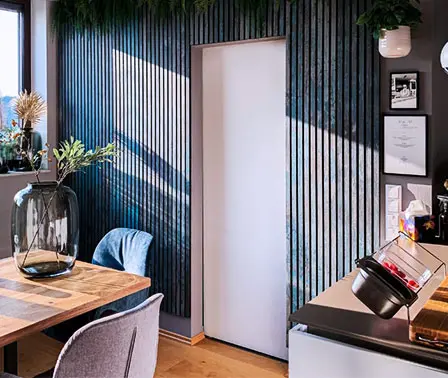
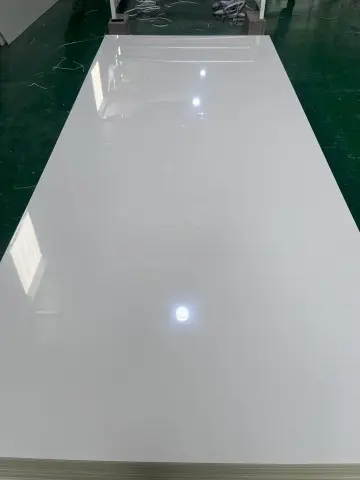
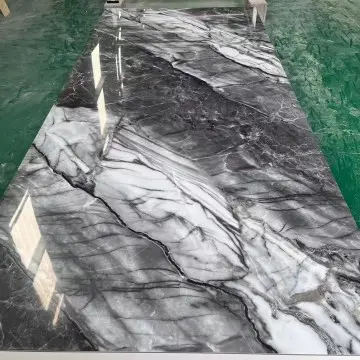
For residential properties, interior designers specify bamboo charcoal panels with marble films or high-gloss white bamboo fiber panels for bedroom and living room accents. These panels offer the aesthetic of stone and hardwood veneer without the corresponding material costs or maintenance demands. Because they are waterproof and moisture-proof, they can also be used in kitchen wall decoration and transition areas between indoor living spaces and semi-outdoor environments, where humidity fluctuations would typically cause solid timber to warp or crack.
China is a leading global manufacturer of building materials, with Shandong Province serving as a major hub for wood-plastic composites and polymer extrusion technology. Shandong Qianbang New Building Materials Co., Ltd., located in Linyi, Shandong, operates within a mature industrial cluster that integrates raw material sourcing, automated processing, quality control, and international shipping logistics.
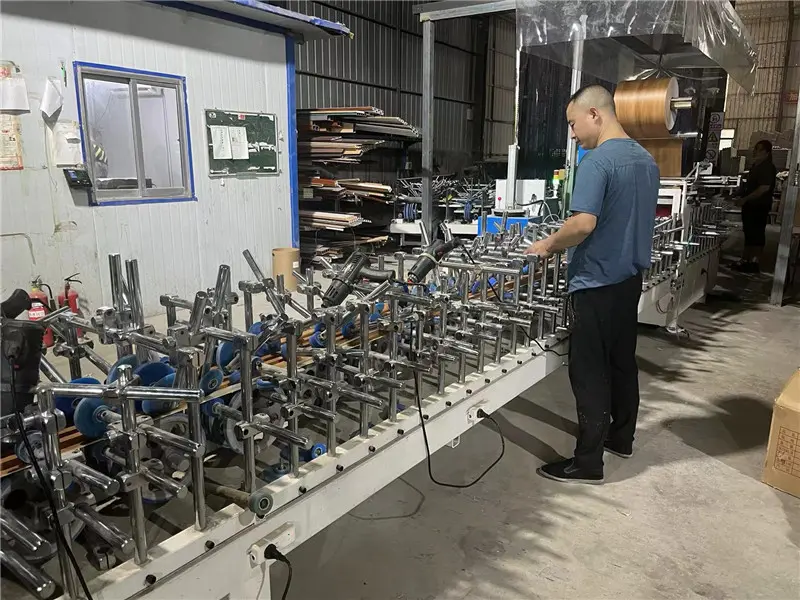
As a specialized manufacturer of environmentally friendly decoration materials, Shandong Qianbang New Building Materials Co., Ltd. combines over 10 years of foreign trade experience with a dedicated team of technical and logistical specialists. The company manages the entire production cycle in-house, including raw material screening, precision extrusion, lamination, and final packaging. This integration ensures consistent quality control and competitive pricing for global buyers in Southeast Asia, the Middle East, South America, and Europe.
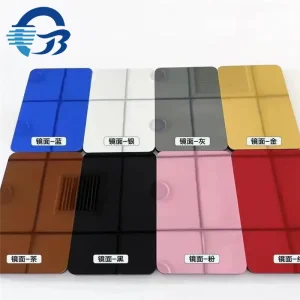
The company’s product line includes PVC, WPC, and PET wall panels, wood veneer metal panels, mirror panels, and sandstone boards. By sourcing raw materials locally and utilizing automated extrusion lines, Qianbang maintains efficient production schedules and consistent quality. This vertical integration allows for high product customization and reliable volume capacity, helping international distributors and contractors meet tight project timelines.
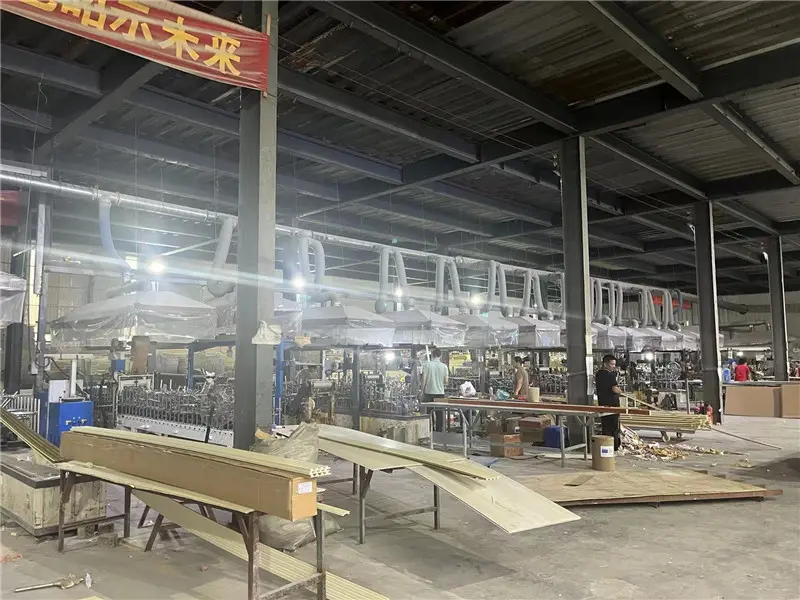
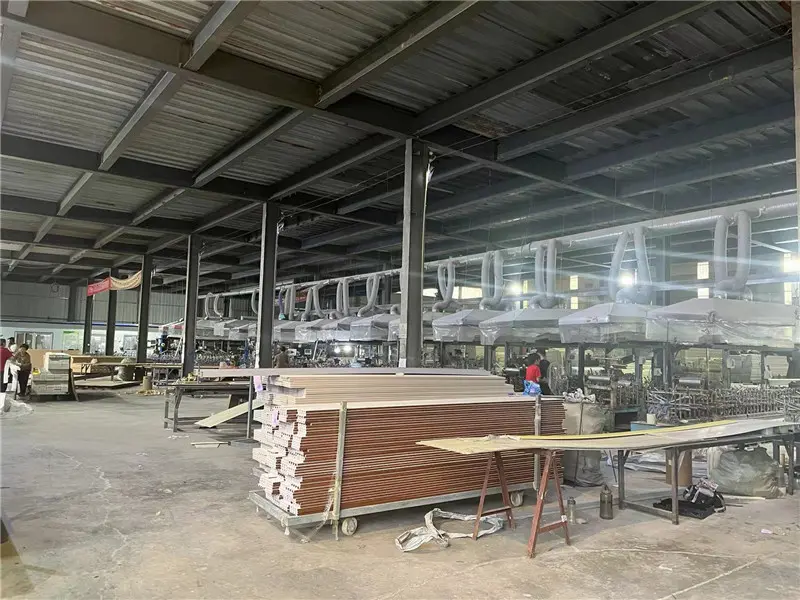
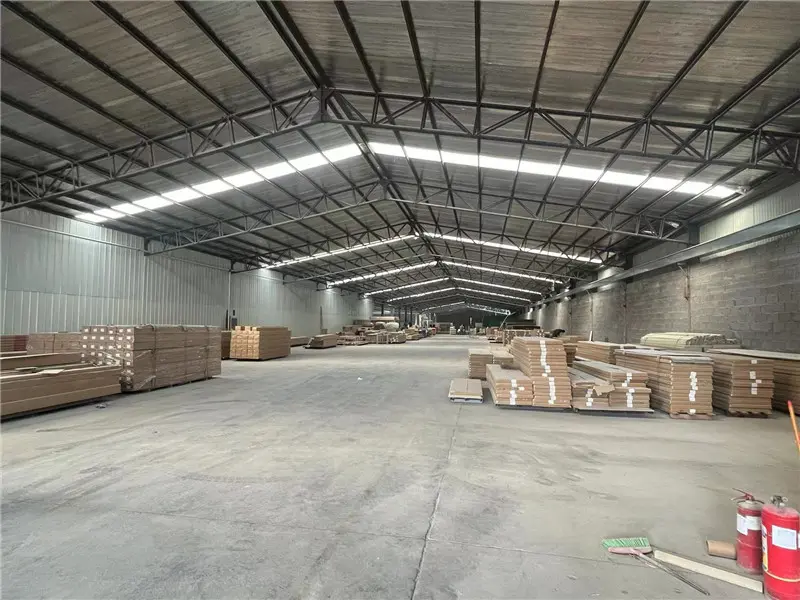
Linyi's established logistics network provides efficient freight routes, connecting manufacturing facilities directly to major ports like Qingdao. This connectivity reduces inland transport times and lowers shipping costs. By maintaining direct relationships with ocean freight carriers and offering customized bulk packing, Chinese manufacturers can supply high-quality materials to international construction projects with predictable lead times.
When specifying 3D plastic wall panels for large-scale commercial builds, architectural designers review structural and chemical data. Key metrics include fire classification, formaldehyde output, density, and impact resistance. The table below compares the performance of different polymer decorative profiles.
| Material Type | Average Density | Fire Rating (EN 13501) | Formaldehyde Emission | Best Applications |
|---|---|---|---|---|
| WPC Fluted Panel | 0.85 - 0.95 g/cm³ | Class B1-s1, d0 | <0.05 mg/m³ (E0 Class) | High-traffic wall decor, commercial lobbies |
| Bamboo Charcoal Panel | 0.75 - 0.85 g/cm³ | Class B1 | Non-detectable | Pet-friendly spaces, residential accents |
| PVC Co-extruded Panel | 1.2 - 1.4 g/cm³ | Class B1-s2, d0 | <0.1 mg/m³ (E1 Class) | Wet rooms, bathrooms, kitchens |
| High Gloss PET Panel | 1.3 - 1.4 g/cm³ | Class B2 | Non-detectable | Modern retail, cleanrooms |
Shandong Qianbang's production processes focus on ecological safety. By using non-toxic stabilizers, heavy-metal-free additives, and natural wood or bamboo fibers, their interior panels achieve low chemical emission profiles. These standards help projects earn green building points under rating systems such as LEED and BREEAM, supporting sustainability targets in modern commercial builds.
To support international buyers, Shandong Qianbang relies on structured division of labor across its teams. This collaborative approach helps translate client requirements into finished products that meet local building codes and design preferences.
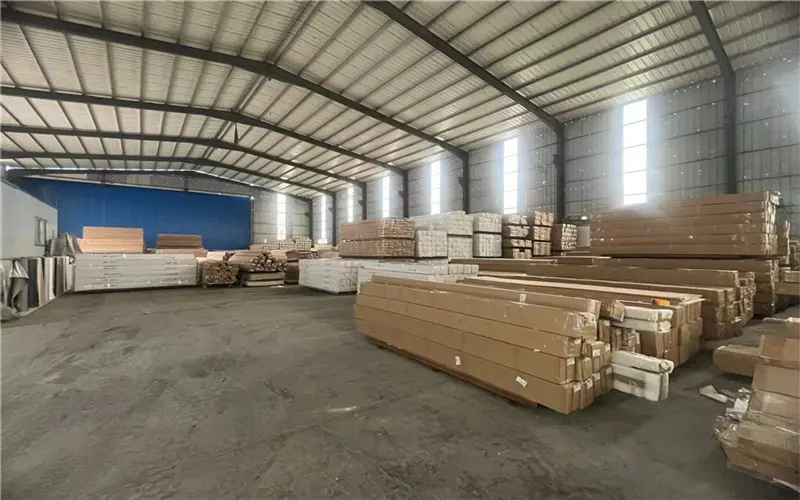
Our production team monitors each stage of the extrusion line, from raw material selection through precision calibration to final packaging, maintaining consistent product specifications across production runs.
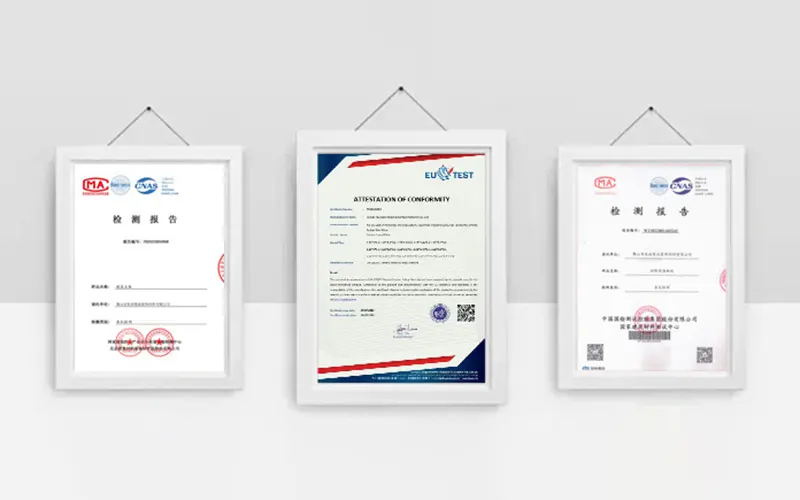
Our export team manages international documentation, custom packaging requirements, and port logistics, ensuring smooth customs clearance and delivery for overseas clients.
The global wall panel industry is moving toward circular material lifecycles and digital integration. Key trends include:
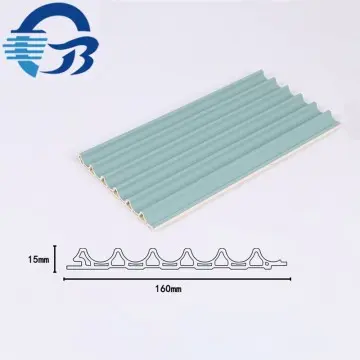
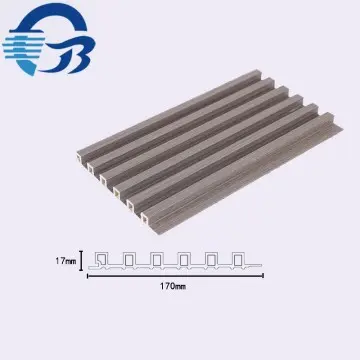
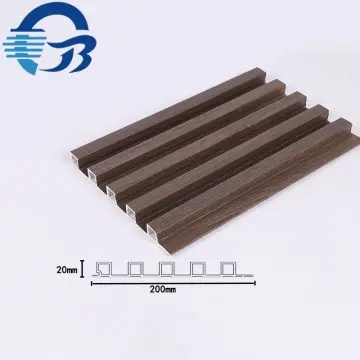
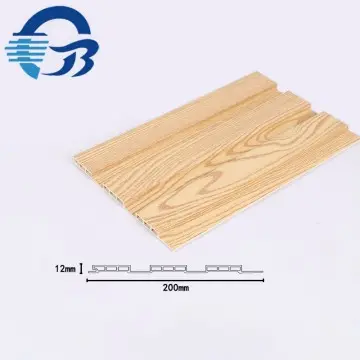
Explore Shandong Qianbang's Core Structural Wall Panel Options
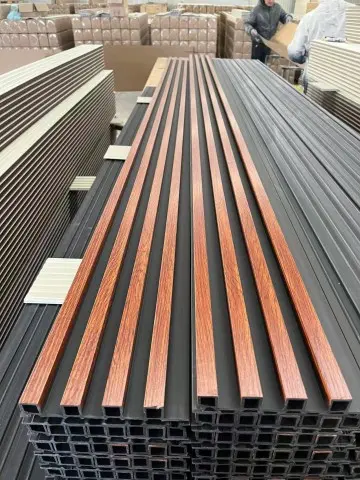
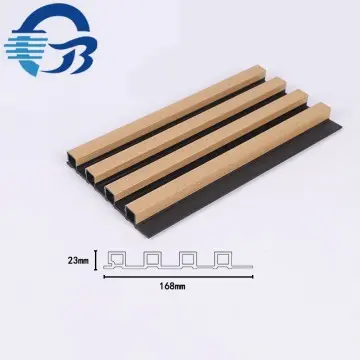
Strict Quality Management Systems and Streamlined Logistics Operations
Shandong Qianbang maintains a structured production system to ensure quality standards are met at every step, from material selection to final shipping preparation. Our quality control processes include mechanical testing, color spectrophotometry, and thickness calibration to ensure panels align with architectural specifications.
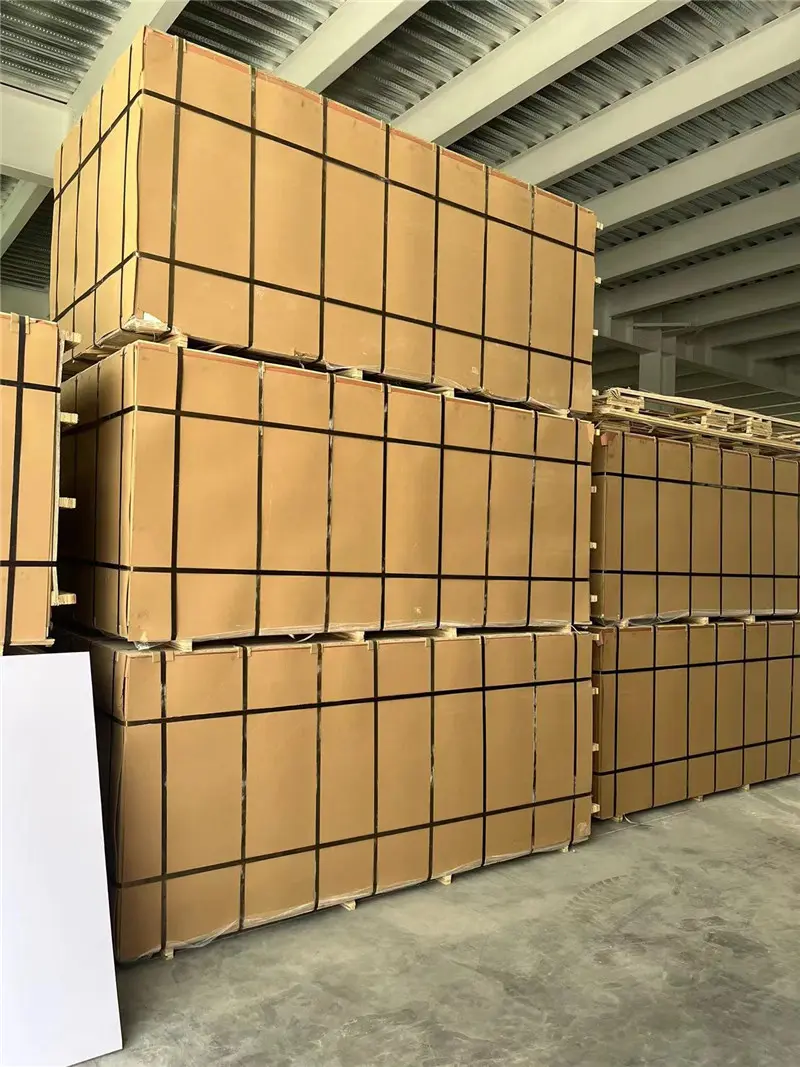
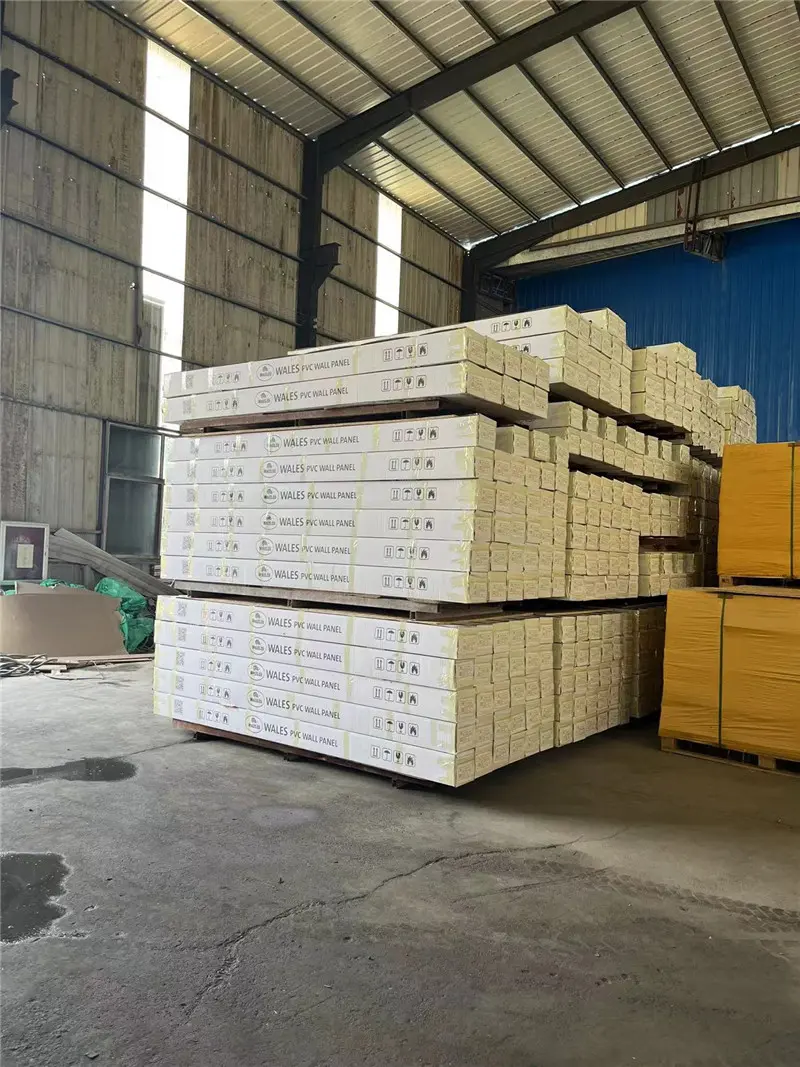
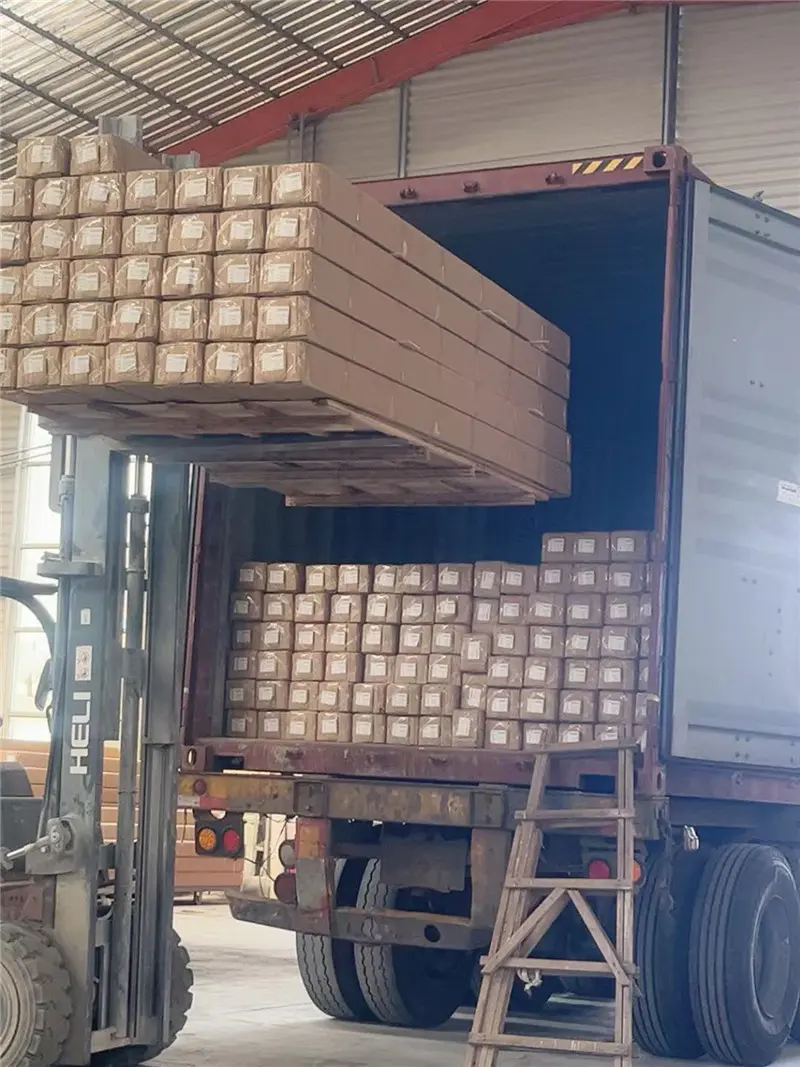
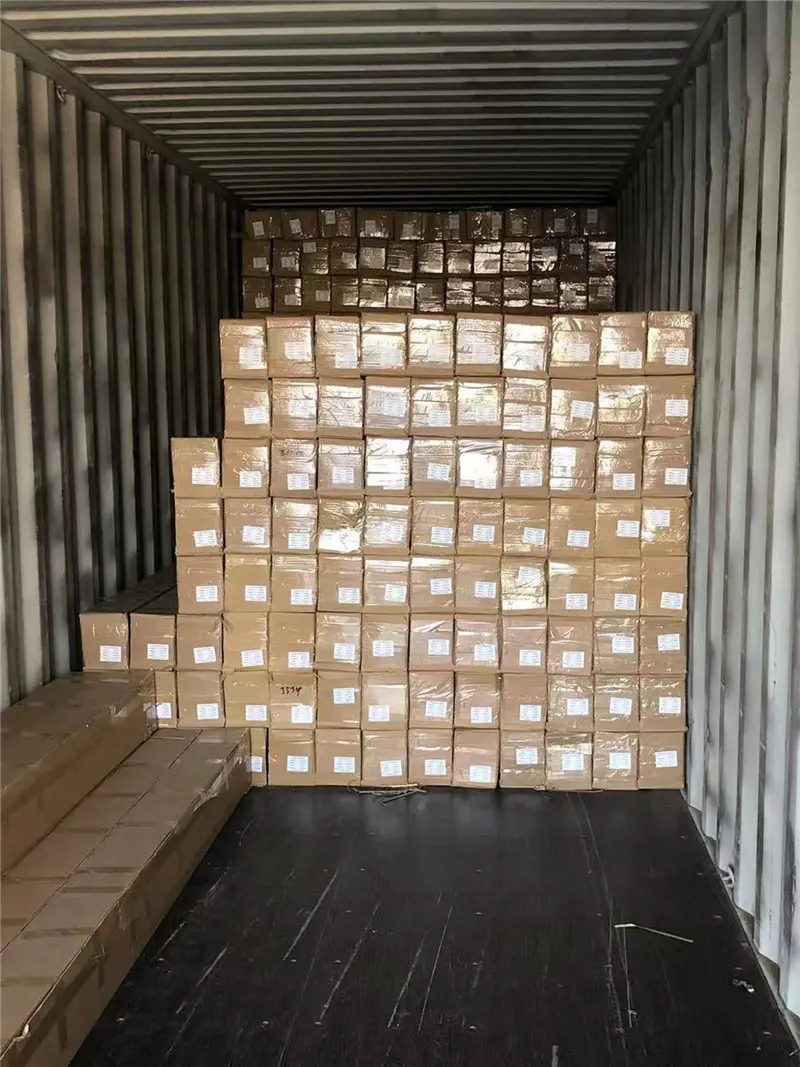
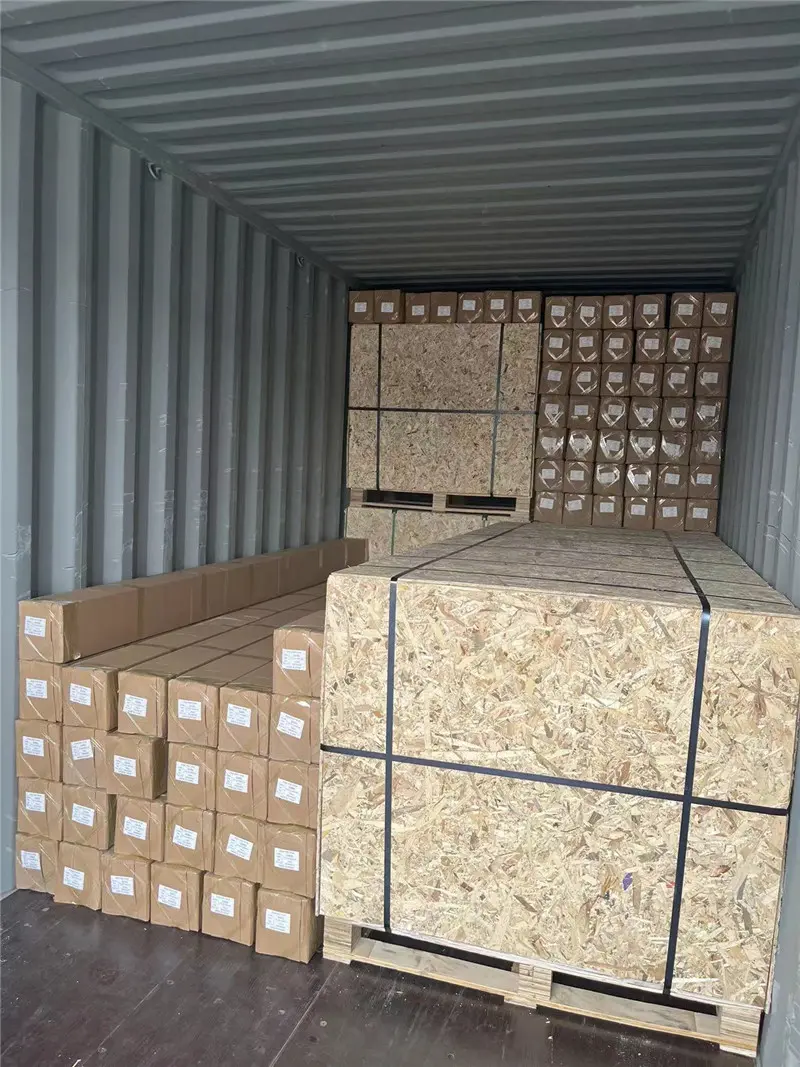
In the coming days, the team of Shandong Qianbang New Building Material Co., Ltd. will forge ahead, keep innovating, provide customers with better quality sheet products and better service, and write a more brilliant chapter in the sheet industry!
Contact UsHigh-End WPC, PVC, and Bamboo Charcoal Architectural Panels
 Qianbang