Upvc Wall Cladding Sheets have become a popular choice in construction. These sheets offer a durable, waterproof solution for both interior and exterior walls. Their lightweight nature makes installation easy and quick. Many homeowners appreciate the variety of designs and colors available.
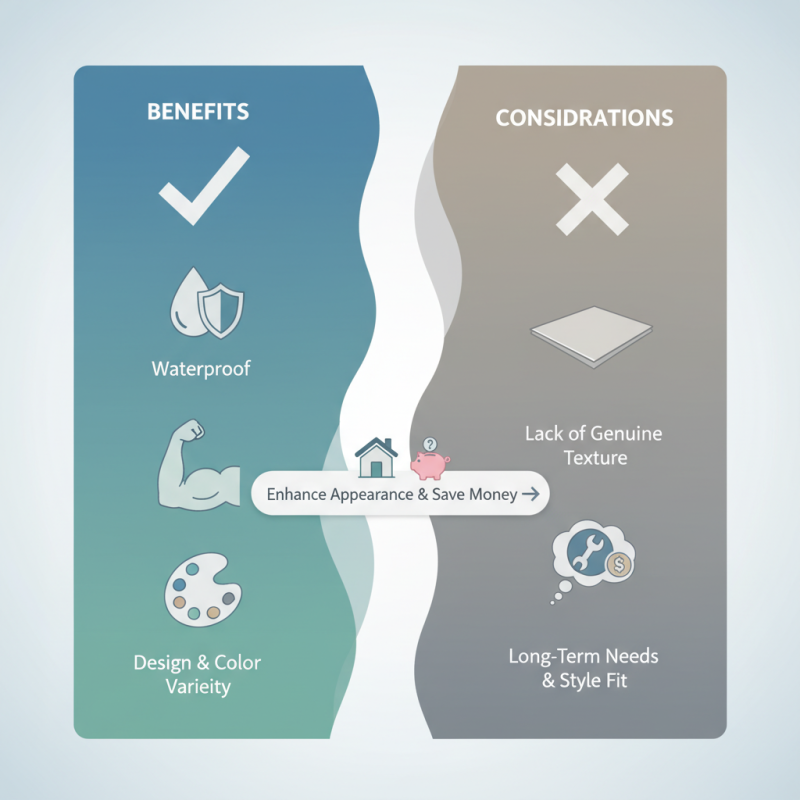
Using Upvc Wall Cladding Sheets can significantly enhance the appearance of a building. They can mimic natural materials, such as wood or stone. However, it's important to consider potential drawbacks. While they resist moisture and pests, some may find they lack genuine texture.
Investing in Upvc Wall Cladding Sheets can save money on maintenance. They require fewer repairs compared to traditional materials. Yet, property owners should reflect on their long-term needs. Are these sheets the right fit for their style? Understanding both the benefits and limitations is essential for making a wise choice.
UPVC wall cladding sheets are a popular building material. They are made from unplasticized polyvinyl chloride. This type of plastic is durable and versatile. The sheets are lightweight and easy to handle. They often come in various colors and textures. This allows homeowners and builders to create unique looks for their projects.
These cladding sheets are used in both interior and exterior applications. They offer excellent weather resistance and require minimal maintenance. Many people choose them for areas exposed to moisture. For instance, bathrooms and kitchens benefit from UPVC cladding. It can also be used on outdoor walls to enhance their appearance. However, not everyone is aware of its installation challenges. Proper fitting and sealing are crucial for effectiveness.
While UPVC cladding has many advantages, it also has drawbacks. Some users find the material can fade over time. Color choices may be limited in certain regions. Additionally, improper installation can lead to issues like warping. Regular inspections are necessary to ensure longevity. Future buyers must weigh these factors carefully.
UPVC wall cladding sheets are becoming increasingly popular in construction. They offer a durable and low-maintenance solution for both interior and exterior applications. The material is lightweight but strong, making it easy to install. This versatility allows for various designs and styles. However, the aesthetic appeal may sometimes fall short compared to natural materials like wood or stone.
One significant feature of UPVC cladding sheets is their resistance to moisture. They do not rot or decay, which is crucial in wet environments. Additionally, they are resistant to pests. This makes them suitable for homes in humid areas. Their ability to be easily cleaned adds to their practicality. However, it’s essential to choose the right colors and finishes, as some options might fade over time.
Another benefit is energy efficiency. UPVC can provide insulation, helping maintain temperature within buildings. This feature can lead to reduced energy costs. Yet, it's important to consider the installation methods. Poor installation may lead to gaps, compromising insulation and durability. Addressing these potential pitfalls will ensure that UPVC cladding serves its purpose effectively.
UPVC wall cladding sheets are versatile materials, widely used in construction. These sheets are lightweight yet durable. They offer robust protection against moisture, making them ideal for various environments. Their manufacturing process provides resistance to fading and damage from UV rays. This ensures a long-lasting aesthetic appeal.
Common applications of UPVC wall cladding include residential and commercial buildings. They can be used for external walls, providing insulation and protection. In bathrooms and kitchens, these sheets prevent water damage. Homeowners often select them for their ease of maintenance. Some find installation challenging, which might require professional help. In outdoor areas, they are popular for garden sheds and fencing.
UPVC sheets are also used in offices to create modern interiors. They add a clean, sleek look to any space. However, some might feel limited by color options. It’s essential to consider the design carefully. The texture and finish can impact the overall feel of the room. Choosing the right quality material can be confusing. Not every sheet performs equally well in every setting.
The installation process for UPVC wall cladding sheets can seem complex at first glance. However, with some basic tools and understanding, it can be manageable. Start by measuring the wall area accurately. This helps in calculating the number of sheets needed. Next, prepare the wall surface. It should be clean and dry, free from any debris. Any existing paint or wallpaper that may cause unevenness should be removed.
Once that’s done, you can mark where the cladding sheets will go. Use a level to draw straight lines, ensuring that everything remains even. An important tip is to leave a small gap at the bottom for drainage. After cutting the sheets to size, the attachment process begins. Fasteners should be placed at appropriate intervals, securely holding the sheets in position. A common mistake is to over-tighten screws, which can warp the sheets. It’s essential to maintain a gentle pressure.
Finally, apply silicone sealant along the edges. This step prevents moisture from seeping in and preserves the integrity of the installation. Take your time with the process. Rushing can lead to misalignment. Remember, each installation is a learning experience. Reflect on what went well and what could be improved for future projects.
UPVC wall cladding sheets are a popular choice for both interior and exterior applications. They are lightweight, durable, and resistant to moisture. However, like any material, they require proper maintenance to extend their lifespan. Regularly cleaning the surfaces is essential. Using a mild detergent with water will help remove dirt and grime. Avoid abrasive cleaners, as they can scratch the surface.
Inspect the cladding sheets periodically for signs of damage. Look for cracks or loose panels. Fixing minor issues early can prevent larger problems later. If a sheet is damaged, it is often more effective to replace it rather than trying to repair it. Ensure that the sheets are properly secured to the structure; loose panels can lead to moisture infiltration.
Keep an eye on the joints and edges as these areas are prone to mold and mildew. A simple mixture of vinegar and water can help combat these issues. Make sure the sheets are well-ventilated to prevent build-up. Sometimes, we overlook the small things, which can lead to bigger headaches down the line. Regular maintenance is key, even if it seems tedious.
: They are made from unplasticized polyvinyl chloride, a durable plastic material.
It can be used in both interior and exterior applications, like kitchens and bathrooms.
It offers low maintenance, moisture resistance, and is lightweight and easy to install.
Yes, some users report fading of colors, especially in certain regions.
Regular inspections are necessary to check for cracks or loose panels.
Clean surfaces with mild detergent; avoid abrasive cleaners to prevent scratches.
Poor installation can lead to gaps, compromising insulation and durability.
A vinegar and water mixture is effective in treating mold and mildew.
It's often better to replace the damaged sheet rather than attempt repairs.
It provides insulation, helping maintain temperature and potentially reducing energy costs.
UPVC Wall Cladding Sheets are innovative building materials made from unplasticized polyvinyl chloride, designed to provide both aesthetic appeal and functional benefits for various structures. Their key features include durability, water resistance, and low maintenance, making them an ideal choice for both indoor and outdoor applications. Common uses of UPVC wall cladding sheets range from homes and commercial buildings to industrial settings, enhancing the appearance while providing protection against weather elements.
The installation process for UPVC wall cladding is straightforward, typically involving the use of screws or adhesive to attach the sheets to the underlying structure. For optimal longevity, regular maintenance includes cleaning with mild detergents and checking for any signs of damage. Overall, UPVC Wall Cladding Sheets offer an effective solution for enhancing the look and durability of walls, making them a popular choice in modern construction.

Qianbang