Top Wpc Wall Panel Design Trends for 2026 What to Know?

Time:2026-05-05 Author:Sophia
0%

In the realm of interior design, Wpc Wall Panel Design is making waves as we approach 2026. These panels blend aesthetics with durability, catering to modern tastes. Homeowners and designers alike are exploring the potential of Wpc panels in diverse settings.

This year, we anticipate innovative styles that elevate spaces. The fusion of natural textures with vibrant colors creates visual interest. Wpc wall panels are versatile, fitting various themes from rustic to contemporary. However, the challenge lies in balancing beauty with practicality, as some designs may lack longevity.

As we delve into these trends, recognizing the evolving nature of design is crucial. Each trend reflects the changing preferences of consumers. Designers must remain adaptable. This ongoing evolution in Wpc Wall Panel Design often invites reflection on past choices. It leads to new potential that shapes our beautiful living spaces.
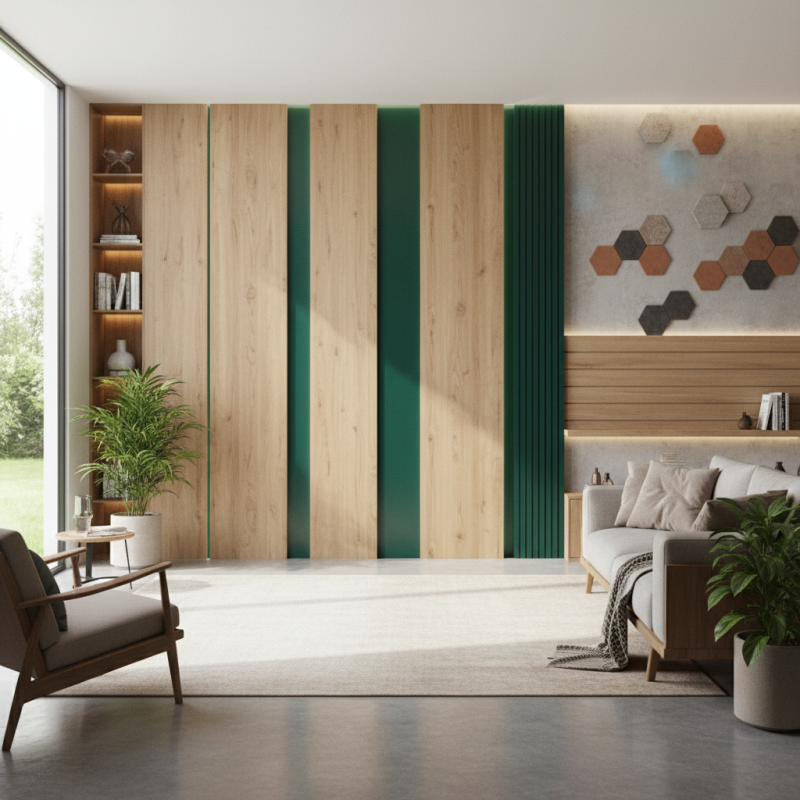
Top Wpc Wall Panel Design Trends for 2026 What to Know?

Emerging Color Palettes in WPC Wall Panel Designs for 2026

In 2026, WPC wall panel designs will embrace innovative color palettes. The industry predicts that muted earth tones will gain popularity. Shades like olive green, terracotta, and soft browns reflect nature. Data from industry reports indicate that 65% of designers favor these palettes for their calming effects.

Bright colors are making a comeback too. Vibrant hues such as teal and mustard can energize spaces. They contrast beautifully with neutral backdrops. Experts suggest a balanced mix of bold and subtle tones. This approach enhances versatility in design. Recent surveys show that 70% of homeowners prefer customizable options that align with their aesthetic preferences.

While trends evolve, not all palettes will resonate. Some may find bright colors overwhelming. Others may seek comfort in traditional shades. The challenge lies in finding balance. Designers must consider client feedback and regional preferences. As these trends unfold, it is crucial to engage in reflective practice. Continuous assessment will help adapt to ever-changing market demands.

Innovative Textures and Finishes Influencing WPC Panel Aesthetics

As we look ahead to 2026, the design trends for WPC wall panels showcase innovative textures and finishes that transform aesthetics. Reports indicate that the global WPC market is projected to exceed $9 billion by 2026, with a focus on enhanced visual appeal. Homeowners crave uniqueness. This trend pushes manufacturers to explore diverse textures, from wood grain to sleek stone finishes.

It’s common for designs to mimic natural materials, yet they fall short of the genuine feel. For instance, achieving the perfect balance between simulated wood finishes and durability remains a challenge. The rise of matte finishes illustrates a preference for understated elegance. This subtlety can sometimes lead to a less distinctive look compared to vibrant finishes, causing some homeowners to reconsider their choices.

Tip: Consider pairing WPC panels with complementary decor. This can elevate the overall aesthetic. Mixing materials can create a layered look, making spaces more inviting. Experimenting with contrasting textures can yield surprising results that enhance visual dynamics.

Choosing the right finish involves understanding both the style and functionality. Some textures may not wear well, leading to a need for frequent updates. Balancing beauty with practical use is essential. Homeowners should research reliable sources to gather insights on durability and maintenance, ensuring their choices are informed.

Sustainability Trends in WPC Wall Panels: A Market Overview

Sustainability is reshaping the WPC wall panel market. Environmentally friendly materials are becoming a necessity. Many consumers now prioritize sustainability in their purchasing decisions. WPC, or wood-plastic composite, offers an excellent environmentally responsible solution. Made from recycled materials, it reduces waste.

The push for greener options isn’t without challenges. Sourcing sustainable materials can be complex. Additionally, manufacturers face hurdles in maintaining product quality while adhering to eco-friendly practices. Balancing these priorities remains a constant struggle. The market demands innovation, often requiring companies to rethink their production processes.

Design flexibility is another aspect to consider. WPC wall panels can mimic natural wood textures while providing resistance to moisture and insects. However, achieving a perfect imitation of wood grain often proves difficult. This gap leads to an ongoing quest for improvement. Consumers appreciate aesthetics but also seek durability and environmental consciousness. The future of WPC wall panels hinges on addressing these evolving demands.

Technological Advancements Shaping WPC Wall Panel Manufacturing

WPC wall panels are evolving rapidly due to technological advancements. These developments impact both design and manufacturing processes. New treatments enhance durability and resistance to moisture and pests. This change improves the longevity of wall panels, making them more reliable for both residential and commercial use.

Innovation in manufacturing techniques is another focal point. Digital printing allows for intricate patterns and textures, making it easier to customize panels. Manufacturers are also adopting automation to increase efficiency. However, challenges still remain. High initial costs and skill gaps might hinder some manufacturers from fully embracing these advancements.

Sustainability continues to be a critical aspect of these developments. Eco-friendly materials are gaining focus. Using recycled resources in WPC production aligns with growing environmental concerns. Yet, sourcing and processing these materials can be complicated. It invites reflection on balancing cost, efficiency, and environmental responsibility.

Consumer Preferences in WPC Wall Panel Styles for Modern Interiors

In 2026, consumer preferences for WPC wall panels are evolving. The growing demand for sustainable materials is influencing design trends significantly. A recent industry report highlighted that 72% of homeowners prefer eco-friendly options for their interiors. This shift showcases a preference for both aesthetics and environmental responsibility.

Texture and color variety in WPC panels are becoming essential. Consumers increasingly gravitate towards natural wood finishes, which provide warmth and character. According to a survey conducted by the Housing Trends Group, 65% of buyers believe textured finishes enhance the overall look of modern homes. However, some still feel overwhelmed by the vast choices available.

Functionality remains a priority. Easy installation and low maintenance are key factors for consumers. The market data indicates that nearly 60% of consumers are willing to pay more for products that simplify upkeep. Yet, the challenge lies in balancing style with practicality. Some consumers express concerns about durability, questioning the longevity of WPC materials in high-traffic areas. The ongoing challenge for manufacturers will be addressing these concerns while keeping up with design trends.

FAQS

: What are the design trends for WPC wall panels by 2026?

: Trends focus on innovative textures and finishes that enhance visual appeal and reflect uniqueness.

How do homeowners feel about simulated wood finishes?

Many appreciate the look but often find them lacking in genuine feel and texture.

What is a popular finish choice in WPC panels?

Matte finishes are gaining favor due to their understated elegance, despite being less vibrant.

How can I improve the aesthetics of my space with WPC panels?

Pair panels with complementary decor and experiment with contrasting textures for a dynamic look.

What should homeowners consider when choosing WPC finishes?

It's important to balance style with functionality, as some textures may not wear well over time.

Why is sustainability crucial in the WPC market?

Consumers increasingly prioritize eco-friendly materials, aiming to reduce waste and promote responsible sourcing.

What challenges do manufacturers face in producing sustainable WPC panels?

Sourcing eco-friendly materials and maintaining quality while adhering to sustainability practices remain complex tasks.

How is technology impacting WPC wall panel manufacturing?

Advancements enhance durability, allow for intricate designs, and improve efficiency, yet come with challenges.

What is a common issue in mimicking natural wood textures?

Achieving perfect imitation of wood grain can be difficult, leading to ongoing improvements in manufacturing.

What reflects the future of WPC wall panels?

The future hinges on enhancing aesthetics, durability, and aligning with environmental consciousness.

Conclusion

The article "Top WPC Wall Panel Design Trends for 2026" explores the evolving landscape of WPC wall panel design, highlighting the emerging color palettes that are set to dominate the market. Innovative textures and finishes are becoming increasingly popular, allowing for unique aesthetics that enhance modern interiors. Sustainability remains a key focus, with a market overview revealing a growing demand for eco-friendly materials in WPC wall panels.

Technological advancements are also shaping the manufacturing process, resulting in improved durability and design flexibility. Additionally, consumer preferences play a significant role in influencing WPC wall panel styles, as homeowners seek out options that blend style with functionality. Overall, understanding these trends will be essential for anyone looking to stay ahead in WPC wall panel design in 2026.


Sophia

Sophia

Sophia is a dedicated marketing professional with an exceptional depth of knowledge about her company's products and services. With a keen understanding of market trends and customer needs, she crafts insightful blog posts that not only inform but also engage readers, enriching the company’s online......