Choosing the right PVC interior wall cladding can transform any space. This versatile material offers aesthetics and practicality in equal measure. Available in various designs, colors, and finishes, PVC interior wall cladding appeals to global buyers seeking innovative solutions for home and commercial settings.
The benefits of PVC cladding are numerous. It is lightweight, easy to install, and resistant to moisture. These qualities make it ideal for high-humidity areas like bathrooms and kitchens. However, not all PVC products are created equal. Buyers must research quality and brand reputation. Investing in reputable brands ensures longevity and performance.
This guide presents the top ten PVC interior wall cladding options. Each recommendation is based on market trends and user feedback. By exploring these options, buyers can make informed choices. Your interior spaces deserve thoughtful investment in materials that enhance both beauty and durability.
Top Advantages of PVC Interior Wall Cladding for Buyers
PVC interior wall cladding offers numerous advantages that make it appealing for buyers around the world. One key benefit is its durability. Unlike traditional materials, PVC is resistant to moisture, making it ideal for areas prone to humidity. This feature significantly reduces the risk of mold and corrosion over time. Moreover, PVC cladding can withstand impacts and scratches, offering a long-lasting solution for various applications.
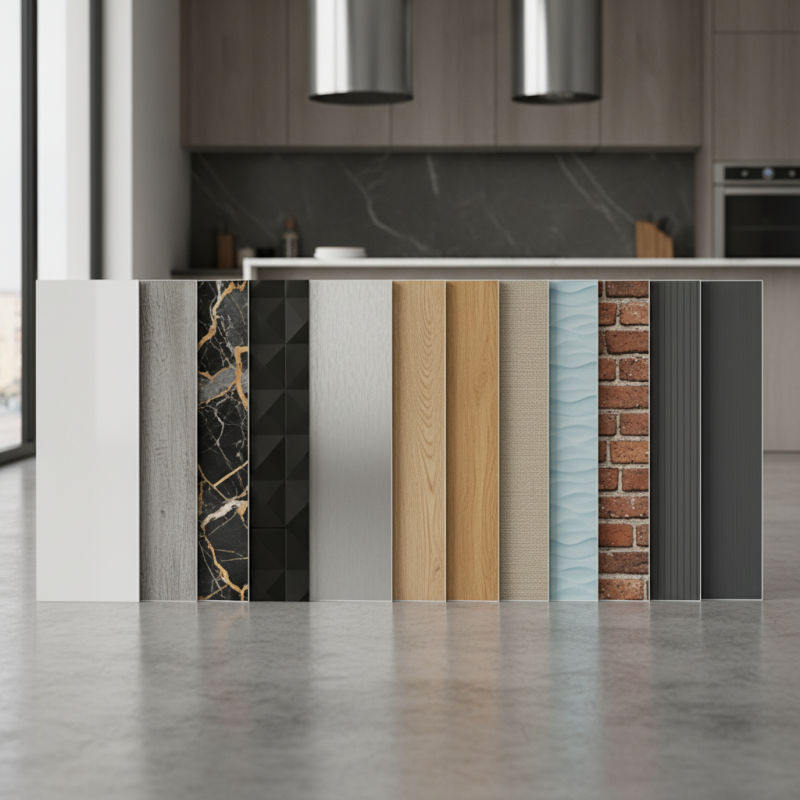
Another noteworthy advantage is the ease of installation. PVC panels are lightweight and often come in interlocking designs. This simplicity can save time and labor costs during installation. Additionally, PVC cladding is available in a wide range of colors and finishes, allowing buyers the flexibility to match their interior design preferences. The ability to mimic wood or stone surfaces adds aesthetic value without sacrificing performance.
However, it’s important to consider the environmental impact of PVC. Despite its many benefits, PVC production involves chemicals, which raises sustainability concerns. Buyers should weigh these factors carefully. Long-term maintenance is another area that may require reflection. While PVC is low-maintenance overall, it may still need periodic cleaning to maintain its appearance. Balancing these aspects can lead to a more informed decision.
Key Factors to Consider When Choosing PVC Wall Cladding
When selecting PVC wall cladding, several key factors deserve careful consideration. The
thickness and density of cladding materials are crucial.
Thicker panels often provide better insulation and durability. According to the PVC Cladding Market Report,
demand for thicker panels has increased by 30% over the last five years. This trend shows a
shift towards longer-lasting options.
Safety ratings are another important aspect. Ensure the chosen cladding meets local fire safety standards.
Materials must be tested for flammability and smoke release. In commercial spaces, this becomes all the more
critical. Inadequate safety features could lead to significant liabilities.
Tip: Always request test reports when considering suppliers.
Aesthetics also play a role. Different textures and colors can impact interior design. PVC can mimic wood or
stone, providing versatility. However, some buyers find that overly realistic textures may lead to maintenance
challenges. Regular cleaning and careful selection can mitigate this.
Tip: Explore sample swatches before making decisions.
Lastly, consider the environmental impact. Look for products with sustainability certifications. As the market
evolves, eco-friendly options are increasingly available. Balancing style, safety, and sustainability is
essential for making an informed choice.
Overview of Popular PVC Wall Cladding Designs and Styles
When choosing PVC wall cladding, various designs and styles cater to diverse preferences.
Textured finishes can enhance the visual appeal of any room. For a rustic feel, wooden effects offer a charming alternative.
They mimic real wood grains, providing warmth without increased maintenance.
For a modern touch, sleek, glossy panels can make spaces feel more expansive.
Colors range from crisp whites to deep, bold shades.
These options suit contemporary interiors beautifully. Patterns like geometric shapes add an artistic dimension to the walls.
While aesthetics are important, practicality should also be considered.
Some cladding options may fade over time or require special cleaning. It's vital to choose a style that balances beauty and durability.
Researching thoroughly can help avoid costly mistakes.
Comparative Analysis of Leading PVC Wall Cladding Brands
When selecting PVC interior wall cladding, it's important to evaluate various brands for their strengths and weaknesses. Each brand offers unique features. Some prioritize durability, while others focus on aesthetics. Durability is essential for high-traffic areas, yet a stylish design can transform a space. Customer reviews often highlight these contrasts.
Some brands excel in environmental sustainability. This appeals to eco-conscious buyers. However, not all brands disclose their sourcing practices clearly. Transparency is key for informed decision-making. Buyers should scrutinize product specifications closely. Different thickness levels can also impact insulation. A thicker panel may provide better energy efficiency.
Pricing is another crucial factor. Budget constraints can limit choices. However, higher costs do not always guarantee quality. Some brands may charge more without delivering superior performance. Exploring lesser-known options can be rewarding. A careful comparison can uncover hidden gems in the market. Quality assurance remains paramount in this selection process.
Sustainability and Maintenance of PVC Wall Cladding Options
PVC wall cladding is becoming a popular choice for interior applications due to its sustainability and low maintenance. According to the PVC Sustainability Council, PVC products can be recycled multiple times without losing quality. This makes them a viable option for eco-conscious buyers. Studies show that recycled PVC can significantly reduce carbon emissions by up to 80% compared to new PVC production.
Maintenance is another critical factor. PVC walls are resistant to moisture, mildew, and pests. They require minimal upkeep, often needing just a simple wipe down. A report from the International Institute of Building Economics states that buildings clad in PVC can experience lower operating costs by up to 30%. However, one must consider the initial installation costs, which can be higher than traditional options.
Despite its benefits, some professionals suggest that PVC might not always provide the desired aesthetic appeal for every project. There are concerns about the environmental impact of the production process. Not all manufacturers adhere to the highest sustainability standards. Therefore, it is crucial for buyers to research thoroughly and choose reputable suppliers who prioritize eco-friendly practices.
Top 10 PVC Interior Wall Cladding Options
This bar chart shows the sustainability ratings of various PVC interior wall cladding options based on their environmental impact, durability, and maintenance requirements. The ratings range from 1 to 10, with higher scores indicating more sustainable choices.
FAQS
: PVC wall cladding is durable and moisture-resistant. It significantly reduces mold and corrosion risks.
Unlike traditional options, PVC handles impacts and scratches better. It's a long-lasting choice for many projects.
Yes, PVC panels are lightweight and often interlock. This simplicity can save time and labor during installation.
Options include textured finishes, wooden effects, and glossy panels. Colors and patterns are diverse to match various styles.
Yes, the production of PVC involves chemicals, raising sustainability questions. Buyers should reflect on the environmental impact.
PVC is low-maintenance but still needs periodic cleaning. Regular upkeep helps maintain its appearance over time.
Yes, it can mimic wood and stone surfaces. This provides aesthetic value without compromising performance.
Balance aesthetics with practicality. Consider potential fading and cleaning requirements to avoid costly mistakes.
Some styles may fade or require special cleaning. It's essential to choose wisely to ensure long-term satisfaction.
Conclusion
PVC interior wall cladding has gained popularity among global buyers due to its numerous advantages, including durability, low maintenance, and aesthetic appeal. When selecting the right PVC wall cladding, it is essential to consider key factors such as design preferences, environmental impact, and installation requirements. A variety of designs and styles are available, ranging from modern to traditional, allowing for versatility in interior spaces.
Furthermore, a comparative analysis of leading brands can guide consumers in making informed decisions tailored to their needs. Maintaining sustainability, the longevity of PVC interior wall cladding options ensures a responsible choice for eco-conscious buyers. Overall, investing in PVC wall cladding not only enhances interiors but also supports sustainable building practices.

 Qianbang