What Are the Top 10 Wood Fluted Panel Manufacturers?

Time:2026-11-01 Author:Aria
0%

Wood Fluted Panel products bring rhythm, texture, and warmth to walls, ceilings, and selected furniture features. Yet the finished look depends on more than the visible grooves. Core material, veneer quality, profile spacing, backing, and finish all affect appearance and installation. Small differences show clearly under raking light.

This guide introduces ten manufacturers associated with wood fluted panels and outlines what buyers can compare. It considers product range, available dimensions, material options, customization, and the clarity of technical information. Where relevant, check current specifications, samples, installation guidance, and independent documentation before making a decision. Details matter.

A useful shortlist should reflect the project, not just brand recognition. A designer specifying a hotel feature wall may prioritize consistent finishes and dependable supply. A homeowner may care more about easy handling, edge details, and a manageable minimum order. Acoustic performance also deserves careful review: a fluted face alone does not establish sound absorption. The complete panel assembly and its test data matter.

Manufacturer offerings and availability can change, so this overview should be treated as a starting point rather than a final ranking. No single list suits every project. Compare samples in the intended lighting, confirm dimensions in writing, and ask how corners, joints, and cut edges are finished. Those questions are easy to overlook. They can shape the result.
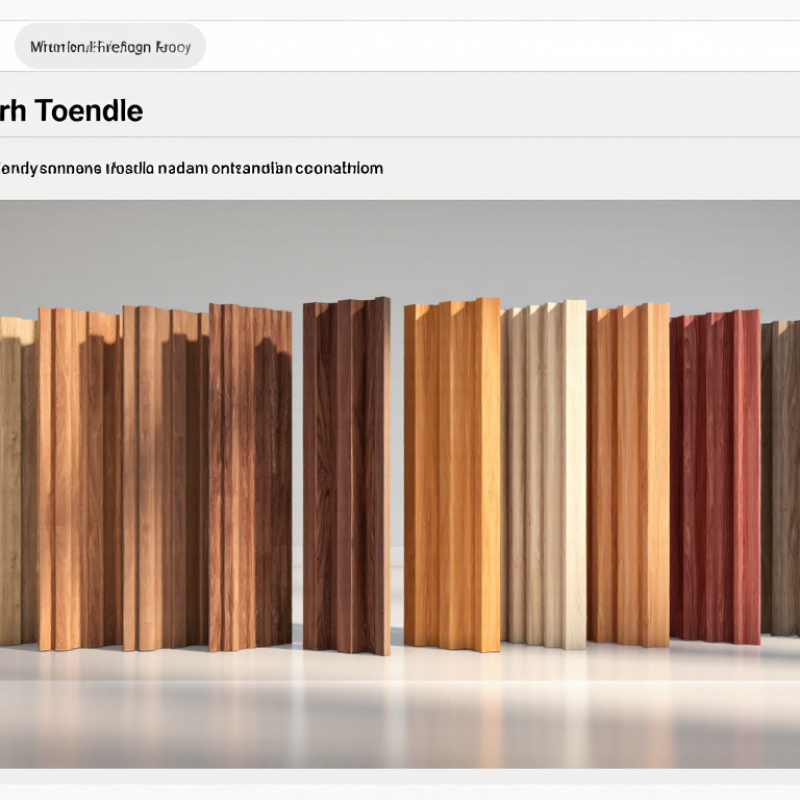
What Are the Top 10 Wood Fluted Panel Manufacturers?

What Are Wood Fluted Panels and How Are They Used?

Wood fluted panels are decorative boards with repeated vertical ribs and recessed grooves. Their shadows add depth to plain walls, ceilings, reception desks, and cabinet fronts. Depending on the core and finish, they may be made from solid wood, veneer, or engineered wood. The profile can soften a hard-looking room, but it does not automatically make a space soundproof. The World Health Organization’s 2018 Environmental Noise Guidelines recommend indoor bedroom noise levels below 30 dB(A) at night. Fluted panels alone cannot ensure that target; performance depends on the full wall assembly, installation, and tested acoustic ratings.

Designers use these panels to create feature walls, define zones, or disguise doors and service access. In offices and restaurants, slats may be paired with acoustic backing to absorb some reflected sound. Ask for test data, such as a product’s sound absorption rating, rather than relying on appearance. Check the substrate, fire classification, and installation details for the intended setting. Small gaps and uneven backing can change the result. Details matter.

Tips: Order a sample and inspect it in the room’s actual light. Compare the color at morning and evening. Leave suitable expansion clearance, especially where humidity changes; wood can move. I still find that striking profiles sometimes feel busy on a full wall, so test a small section before committing.

What Are Wood Fluted Panels? Example Face Layout

This illustrative 600 mm-wide panel layout has 12 flute faces, 11 grooves, and two edge margins. The measurements are an example design, not an industry standard or manufacturer data. Wood fluted panels are commonly used for decorative wall and ceiling finishes.

How to Evaluate Wood Fluted Panel Manufacturers

How to Evaluate Wood Fluted Panel Manufacturers

A good evaluation starts with the panel, not the sales brochure. Request a full-size sample and inspect the grooves under side lighting. Check for even spacing, clean edges, consistent color, and a stable backing. Ask how moisture changes are controlled during manufacturing. A small sample may look perfect; a long run can reveal uneven profiles. That detail is easy to miss.

Then verify the evidence behind the claims. Ask for documented test results covering emissions, fire performance, and acoustic properties, where relevant to the project. Compare like with like: test methods, panel thickness, substrate, and installation conditions should match.

The UNEP 2023 Global Status Report for Buildings and Construction estimates buildings account for 37% of global energy- and process-related CO₂ emissions.

That figure is not a panel rating, but it makes material transparency worth checking. Request an environmental product declaration when available, and review its stated scope and assumptions. Also ask for batch traceability, production lead times, and written tolerances.

A confident answer helps. Verifiable records help more. One weakness: paperwork cannot show how carefully a panel will be installed.

Top 10 Wood Fluted Panel Manufacturers Compared

Comparing the top 10 wood fluted panel manufacturers requires more than checking photographs. I examine core material, groove accuracy, surface finish, acoustic data, and installation support. Some manufacturers use natural veneer, while others offer engineered wood or moisture-resistant composite cores. These differences affect appearance, durability, and indoor air quality.

A reliable manufacturer should provide technical sheets, fire ratings, formaldehyde test results, and clear warranty terms. I also compare groove spacing, panel thickness, backing options, and cutting tolerances. In practical projects, a two-millimeter variation can create visible misalignment across a long wall. Delivery consistency matters too. A beautiful sample means little if replacement panels arrive months later. Still, product comparisons are not perfect. Lighting can make two finishes appear identical, while their textures feel completely different by hand.

Tips

Request full-size samples, not tiny swatches. Place them beside windows and under warm lighting. Ask whether the acoustic rating applies to the complete wall system or only the panel. Confirm edge details before ordering. Check how the surface reacts to fingerprints, cleaning, and light scratches. A manufacturer may have excellent machinery but weak communication. That issue can become expensive during installation. Review recent project photos, installation guides, and independent test documents before making a decision.

Key Differences in Materials, Design, Quality, and Pricing

What Are the Top 10 Wood Fluted Panel Manufacturers? Key Differences in Materials, Design, Quality, and Pricing

A reliable top-ten list should compare more than photographs and retail prices. My evaluation starts with material composition, acoustic data, fire performance, warranty terms, and installation support. Solid timber offers natural grain and repairability, while veneered MDF provides steadier dimensions and lower costs. PET-backed systems can improve sound absorption, but they may feel less authentic. Wood-plastic composites resist moisture better, although their surface can appear slightly artificial. Grand View Research’s 2024 acoustic panels report identifies commercial interiors as a major growth area, yet wood-fluted products remain difficult to compare because manufacturers use different test methods.

Design changes performance. Wider slats create a calmer visual rhythm, while narrow slats produce stronger texture. A deeper cavity usually improves low-frequency absorption, especially with mineral wool behind the panel. Look for tested NRC values under ASTM C423 or ISO 354, not vague claims such as “soundproof.” FSC’s 2023 market data also reinforces the importance of traceable wood sourcing. Quality checks should include panel flatness, veneer matching, edge finishing, formaldehyde emissions, and reaction-to-fire classification. Pricing varies sharply with timber species, backing density, machining accuracy, and labor. Imported panels may seem cheaper, but freight and custom cutting can change the final cost.

Tips: Request one full-size sample. Inspect the joints in daylight. Ask for the test report, not a sales promise. My comparison still has one weakness: published acoustic figures are not always directly comparable. That limitation deserves attention before ranking any manufacturer.

How to Choose the Right Wood Fluted Panel Manufacturer

How to Choose the Right Wood Fluted Panel Manufacturer

A good manufacturer should explain what each panel is made of, not just show attractive photographs. Ask about the core material, wood veneer, finish, and panel dimensions. These details affect weight, appearance, and how the panels respond to everyday humidity. Request a physical sample. Check the groove depth, edge quality, and color under both daylight and warm indoor lighting. Small differences become obvious across a full wall.

Look for clear installation guidance and written specifications, including dimensional tolerances and recommended fixing methods. If sound absorption matters, ask for test data and the exact wall assembly used; a panel alone does not guarantee acoustic performance. Consistency matters. Compare samples from different production batches when possible, and ask how the manufacturer handles defects or delayed orders. A quick, specific answer is more useful than a glossy brochure. Check whether replacement panels can be supplied later, especially for commercial projects. Price still counts, of course, but the lowest quote may omit finishing or packing details. I would not treat one flawless sample as proof. It is only one small piece.

FAQS

What are wood fluted panels?

They are boards with repeated raised ribs and recessed grooves. Side lighting makes their shadows more noticeable.

Where are fluted panels commonly used?

They can cover feature walls, ceilings, cabinet fronts, reception desks, or concealed access doors. A small area may be enough.

Do fluted panels make a room soundproof?

No. Their appearance alone does not prove sound performance. Ask for tested acoustic ratings and details about the full wall assembly.

How can I check a panel’s finish before ordering?

Request a full-size sample. Inspect its grooves, edges, color, and backing under side lighting. Check it in morning and evening light.

What documents should I request from a manufacturer?

Ask for relevant test results on emissions, fire performance, and acoustic properties. Compare testing methods, panel thickness, and installation conditions.

Why do substrate and installation details matter?

The backing and installation can affect the final result. Uneven support or small gaps may change appearance and acoustic performance. Details matter.

Can wood fluted panels change with humidity?

Yes. Wood can move as humidity changes. Leave suitable expansion clearance, and ask how moisture changes are managed during production.

What should I know about environmental product declarations?

Request one when available, then review its scope and assumptions. It can support material transparency, but it is not a complete project assessment.

Is a perfect sample enough to approve a large order?

Not necessarily. Long runs may reveal uneven profiles that a small sample hides. I would test a larger section, though that can take extra time.

Conclusion

This article explains what a Wood Fluted Panel is, how its distinctive linear texture can enhance walls, ceilings, furniture, and commercial interiors, and what to consider when comparing manufacturers. It outlines practical evaluation criteria, including material options, design flexibility, product consistency, finishing quality, customization, lead times, and pricing, while comparing ten manufacturers according to these factors.

The article also highlights how differences in construction, appearance, durability, and cost can affect a project’s results. By matching a manufacturer’s capabilities with the intended application, design preferences, budget, and installation requirements, buyers can make a more informed choice and select panels that meet both functional needs and aesthetic goals.


Aria

Aria

Aria is a dedicated marketing professional with a deep passion for innovative strategies and a keen understanding of our company's product offerings. With a wealth of experience in the industry, Aria excels at crafting engaging content that highlights the unique features and benefits of our......