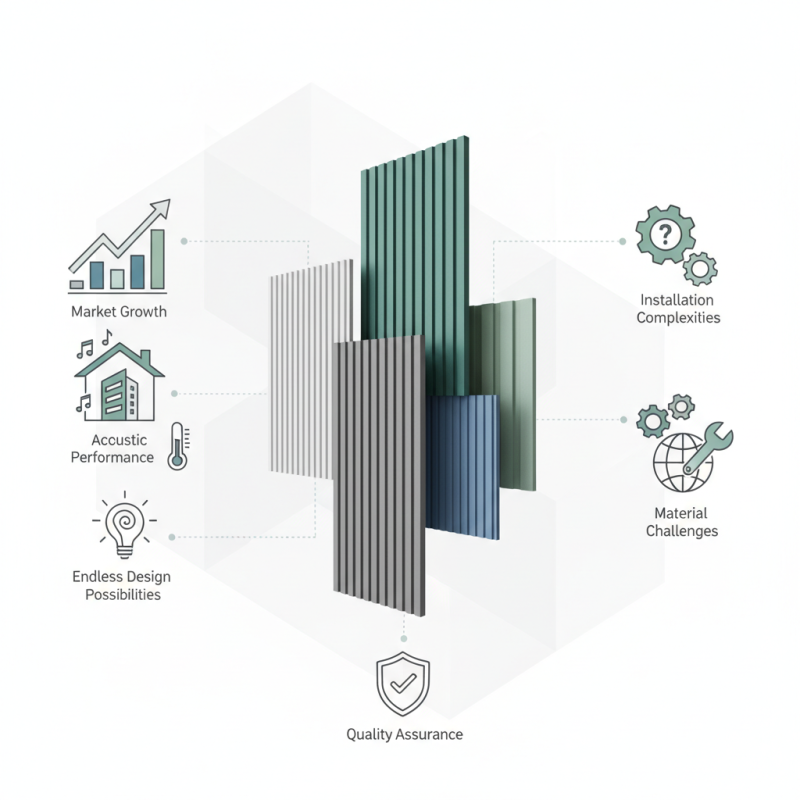
Fluted panels have gained significant traction in the construction and interior design industries. According to market reports, the global fluted panel market is projected to grow by 7.5% annually from 2023 to 2030. This growth is driven by the rising demand for aesthetic and functional building materials. Fluted panels, known for their distinctive grooves and textures, offer both visual appeal and structural benefits.
These panels are lightweight yet sturdy, making them an ideal choice for various applications. They enhance acoustic performance and thermal insulation, vital for energy-efficient buildings. The appeal of fluted panels extends beyond functionality. They provide endless design possibilities, enabling architects to create unique spaces. However, it's essential to consider the installation complexities and material sourcing challenges that can arise.
Global buyers seeking to invest in fluted panels must weigh these considerations against the benefits. As the market evolves, understanding the attributes and potential drawbacks of fluted panels will be crucial for making informed decisions. With multiple manufacturers emerging, quality assurance remains a top priority, emphasizing the need for reliable suppliers.
Overview of Fluted Panels: Definition and Characteristics
Fluted panels are architectural elements characterized by their vertical grooves. These grooves enhance both aesthetics and functionality. They are commonly made from various materials, including wood, metal, and composites. This versatility allows them to be used in different environments, such as homes, offices, and commercial spaces.
One of the key benefits of fluted panels is their ability to create depth and texture. The grooves break the monotony of flat surfaces, adding visual interest. This effect can elevate the design of walls, ceilings, and furniture. Additionally, fluted panels can help in sound absorption, making spaces quieter. They can be a practical choice for busy environments.
However, there are challenges to consider. Installing fluted panels may require more skill compared to flat panels. The alignment of grooves must be precise. Improper installation can lead to visible gaps, detracting from the intended beauty. Buyers should weigh these factors carefully. Understanding the nuances of fluted panels can lead to better design outcomes.
Key Materials Used in Fluted Panel Production
Fluted panels have gained popularity for their aesthetic and functional benefits. These panels are often crafted from multiple materials, each adding unique properties to the final product. Common materials include MDF, plywood, and specialized plastics. They provide versatility in design while ensuring durability.
MDF is widely used for its smooth surface, making it easy to paint or laminate. Plywood offers strength and resistance to warping. Innovative materials like thermoplastics are increasingly popular for their lightweight and moisture-resistant qualities. The choice of material impacts not only the panel's appearance but also its overall performance in different environments.
However, not all materials are created equal. Some might not withstand extreme conditions or might require careful maintenance. It is crucial for buyers to assess their specific needs, considering factors like climate and intended use. This ensures that the fluted panels chosen will perform well, look great, and stand the test of time.
Benefits of Fluted Panels for Global Buyers
Fluted panels are gaining popularity among global buyers, thanks to their unique design and functional benefits. These architectural elements add texture and depth, enhancing the aesthetics of any space. The design can be tailored to fit various applications, from walls to furniture. Their versatility allows integration into both modern and classical settings.
One major benefit is their ability to improve acoustics. Fluted surfaces can help diffuse sound, making spaces quieter. This feature is especially valuable in offices and open environments where noise disruption can be a concern. Buyers can appreciate how these panels promote a more enjoyable atmosphere.
Tip: When selecting fluted panels, consider the material. Wood, plastic, and metal options all offer different benefits. Choose according to your project's requirements.
Another advantage is the ease of installation. Fluted panels often come in prefabricated forms. This allows for quicker setup and reduced labor costs. A reliable installer can ensure a perfect fit, making the process smoother.
Tip: Always ask for samples before purchasing. This helps assess color, texture, and overall quality. It ensures that your choice aligns with your vision.
Applications of Fluted Panels in Various Industries
Fluted panels are gaining traction across various industries due to their unique structural properties. For instance, in architecture, these panels offer not only aesthetic appeal but also enhanced strength. Reports suggest that the architectural panel market is projected to grow significantly, with an estimated CAGR of 6.1% from 2021 to 2028. This shows a clear trend toward innovative materials like fluted panels.
In the interior design sector, fluted panels serve both decorative and functional purposes. They can divide spaces while providing a modern look. Their use in residential and commercial buildings has skyrocketed as designers seek to create dynamic environments. Statistics from industry analyses indicate that the interior design market is expected to reach $262 billion by 2027. This growth underlines the increasing interest in sustainable and versatile materials.
However, the adoption of fluted panels is not without challenges. Some manufacturers face issues with durability and cost-effectiveness. Data highlights that while the initial investment may be higher, the lifecycle benefits often outweigh these concerns. The need for balancing quality with affordability remains a key consideration for many buyers.
Sourcing and Purchasing Considerations for Fluted Panels
When sourcing fluted panels, it's essential to understand their benefits and key considerations in procurement. These panels, often used in architectural designs and interior finishes, provide aesthetic appeal and functional versatility. Global demand for such materials is on the rise, with a report by the Global Building Materials Market predicting a CAGR of 5.2% through 2028. This growth reflects their increasing use in sustainable construction.
Buyers should consider the manufacturing process and material composition when choosing fluted panels. The quality of raw materials can significantly impact durability. According to recent industry analysis, panels made from recycled materials are gaining traction. They not only reduce environmental impact but also offer competitive pricing. However, sourcing these materials can be complex due to varied supplier standards.
Tip: Assess multiple suppliers before making a purchase. Request samples to evaluate quality.
Pricing remains a crucial factor. Fluted panels can vary in cost based on design complexity and material type. Buyers should also analyze shipping costs and lead times to avoid project delays. It's important to know that not all suppliers provide transparent pricing. Seeking clarity up front can help avoid unexpected expenses.
Tip: Keep a checklist of essential criteria to guide your decision-making process.
FAQS
: MDF, plywood, and specialized plastics are commonly used materials.
MDF has a smooth surface, making it easy to paint or laminate.
Plywood is strong and resists warping, enhancing durability.
Yes, thermoplastics are lightweight and moisture-resistant.
The choice impacts appearance and performance in various environments.
Buyers should assess manufacturing processes and material quality.
They reduce environmental impact and often offer competitive prices.
Request samples from multiple suppliers to evaluate quality.
Design complexity and material type significantly affect pricing.
Seek clarity on pricing and maintain a checklist of essential criteria.
Conclusion
Fluted panels are a unique architectural element characterized by their distinct ridged patterns, which not only enhance aesthetic appeal but also serve functional purposes. Made from various materials such as PVC, wood, and metal, these panels are increasingly favored by global buyers for their lightweight structure, durability, and ease of installation. The versatility of fluted panels allows for a wide range of applications across industries, including interior design, construction, and packaging.
For global buyers, the benefits of fluted panels extend beyond mere looks; they offer cost-effectiveness, eco-friendliness, and sound insulation properties. When sourcing and purchasing fluted panels, it is essential to consider factors such as material quality, manufacturing standards, and supply chain logistics to ensure optimal value and performance. The growing popularity of fluted panels reflects their potential to meet diverse needs in both commercial and residential settings.

 Qianbang