What is Fluted Cladding and Why is it Popular in Construction?

Time:2026-07-06 Author:Charlotte
0%

Fluted cladding has gained significant traction in modern construction projects. This architectural feature combines aesthetic appeal with functional benefits. The unique ridged design of fluted cladding creates a visually striking effect. It enhances the beauty of both residential and commercial buildings.

Architects and builders appreciate fluted cladding for its versatility. It can be made from various materials, including wood, metal, and fiber-cement. Each material offers distinct advantages and aesthetics. The textured surface provides a captivating play of light and shadow. This adds depth to facades, making buildings more engaging.

Moreover, fluted cladding contributes to energy efficiency. Its design can improve insulation and reduce heating costs. While this option is popular, some may argue that installation can be complex. However, the long-term benefits often outweigh the challenges. Ultimately, fluted cladding stands out not only for its looks but also for its practical implications.
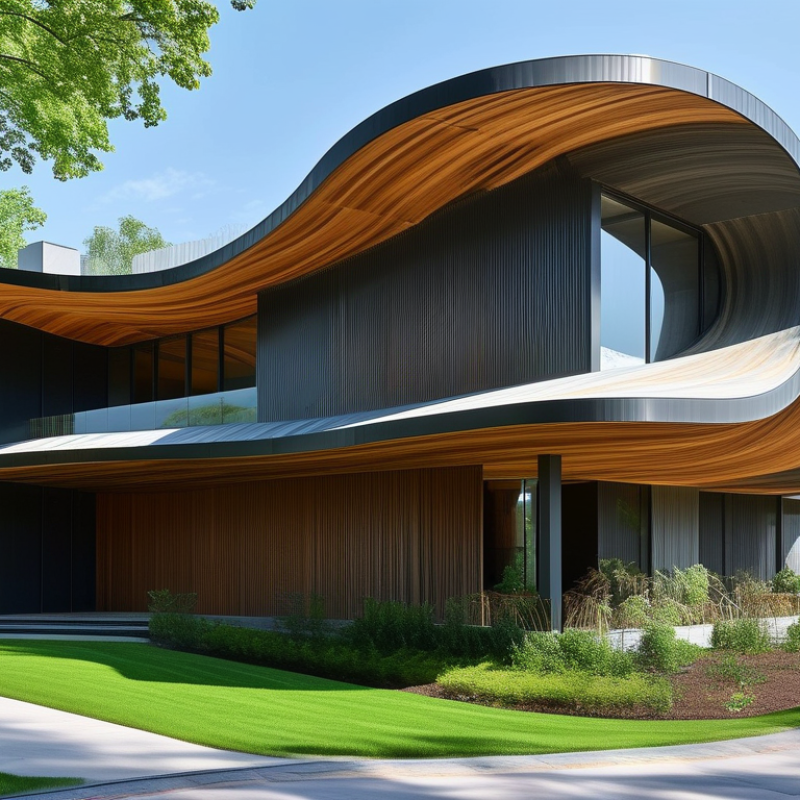
What is Fluted Cladding and Why is it Popular in Construction?

What is Fluted Cladding?

Fluted cladding represents a unique architectural trend that blends aesthetics with functionality. This type of cladding consists of vertical grooves or ridges on its surface, creating a striking visual effect. It can be made from various materials, including wood, metal, or composite, allowing for versatile design applications. The texture not only enriches the overall look but also enhances the play of light and shadow on building façades.

Many architects and builders appreciate fluted cladding for its ability to create depth and character in an otherwise flat structure. These vertical lines can make a building appear taller and more dynamic. However, the installation process can be intricate and requires skilled labor. Poor installation may lead to gaps that compromise insulation and weather resistance. Consequently, careful planning and execution are vital.

It's essential to choose the right material and finish according to the environment. Fluted cladding needs regular maintenance to preserve its appearance. Without proper care, the beauty can fade over time. Some designs might not age well, and certain materials could warp under extreme weather. Hence, understanding these nuances is crucial for longevity and aesthetic appeal.

Key Materials Used in Fluted Cladding

Fluted cladding has gained popularity in modern architecture, offering both aesthetic appeal and practical benefits. The materials used in fluted cladding play a crucial role in its performance and look. Common materials include wood, aluminum, and fiber cement. Each brings unique attributes to the design.

Wood is favored for its warm, natural appearance. It can be sustainably sourced, but it requires regular maintenance. Despite its beauty, wood may not hold up well in extreme weather conditions. Aluminum offers durability and is lightweight, resisting corrosion. However, it can be prone to dents, which may affect its long-term appearance. Fiber cement combines the best of both worlds. It mimics the look of wood but is more resilient to moisture and pests.

Choosing the right material is essential. Each option has its pros and cons. There can be a fine balance between aesthetics and durability. It’s important to carefully evaluate the project's needs. Consider factors like climate and desired upkeep. Understanding these aspects will help in making an informed decision.

Benefits of Using Fluted Cladding in Construction

Fluted cladding has gained traction in the construction industry for several compelling reasons. One significant benefit is its aesthetic appeal. The vertical grooves create dynamic light reflections, enhancing a building's appearance. This texture adds depth, making structures stand out in any landscape. Many architects appreciate this design element for its modern feel.

Functionality is another key advantage. Fluted cladding provides excellent insulation, contributing to energy efficiency. The grooves also help in drainage, minimizing the risk of water buildup. This feature can lead to increased durability over time. While it is popular, not all projects can benefit from fluted cladding's unique properties. Some factors, such as budget and location, may impact its practicality.

Maintenance can also be a concern. The grooves can catch dirt, requiring regular cleaning to maintain their visual appeal. Additionally, proper installation is crucial to avoid moisture problems. These aspects warrant careful consideration before choosing fluted cladding for a project. Overall, while fluted cladding offers aesthetic and functional benefits, its challenges deserve attention.

What is Fluted Cladding and Why is it Popular in Construction? - Benefits of Using Fluted Cladding in Construction

Feature Description Benefits
Aesthetic Appeal Fluted cladding features vertical grooves that add visual interest. Enhances building design, making it more attractive to buyers and users.
Durability Constructed from sturdy materials like metal or wood. Withstands weather conditions, reducing frequent repairs.
Energy Efficiency Can be designed to improve insulation. Lowers energy costs year-round by maintaining indoor temperatures.
Low Maintenance Requires minimal upkeep compared to traditional materials. Saves time and costs associated with maintenance tasks.
Sustainability Available in recycled materials, promoting eco-friendly practices. Supports green building initiatives, appealing to environmentally conscious clients.

Popular Applications of Fluted Cladding

Fluted cladding has gained significant traction in modern construction due to its unique aesthetic appeal and functional benefits. Architects and builders are increasingly utilizing this design in various applications, including commercial buildings, residential homes, and outdoor spaces. The grooves in fluted cladding create captivating shadows and light interactions, transforming ordinary facades into striking visual features.

In commercial architecture, fluted cladding serves both decor and function. It is commonly found on office buildings, retail spaces, and cultural institutions. These surfaces not only enhance the building’s exterior but also provide durability and weather resistance. In residential projects, fluted cladding offers homeowners a contemporary look while ensuring low maintenance and improved insulation. Outdoor installations, like privacy screens and garden walls, benefit from this design's texture and shadow play, enriching the landscape.

While fluted cladding is stylish and functional, its installation can be challenging. Proper alignment and spacing are vital to achieving the desired aesthetic. Any misalignment can compromise the visual integrity. Additionally, careful material selection is necessary to ensure long-term performance. Despite these challenges, the charm of fluted cladding continues to attract attention in the construction industry, making it a favorite among designers and homeowners alike.

Popularity of Fluted Cladding in Various Applications

Trends and Innovations in Fluted Cladding Design

Fluted cladding has gained significant traction in the construction industry. This design trend offers both aesthetic appeal and functional benefits. According to recent industry reports, fluted cladding can improve thermal performance by 25% compared to flat surfaces. This feature is especially beneficial in energy-efficient building designs.

Innovations in fluted cladding are emerging. Architects are experimenting with various materials, including wood, metal, and composite options. Some studies indicate a 15% increase in popularity across urban projects, attributed to its modern look. This trend highlights the fusion of function and form in contemporary architecture. More builders are recognizing the durability and low maintenance aspects of fluted cladding, enhancing its appeal.

Tips: Consider the environment when selecting materials. Sustainable options can help reduce the carbon footprint. Also, engage with local builders and architects for innovative ideas. An awareness of local climate can inform the choice of fluting style and material. This ensures the cladding serves its purpose effectively while also standing out visually.

FAQS

: What materials are commonly used for fluted cladding?

: Common materials include wood, aluminum, and fiber cement. Each has unique performance characteristics.

What are the benefits of using wood for fluted cladding?

Wood provides a warm, natural look but needs regular maintenance. It may struggle in extreme weather.

Why is aluminum a popular choice for fluted cladding?

Aluminum is durable and lightweight, resisting corrosion. However, it can dent easily, affecting aesthetics.

What advantages does fiber cement offer?

Fiber cement mimics wood's appearance but is more resistant to moisture and pests. It's a solid option.

How does fluted cladding contribute to energy efficiency?

It provides excellent insulation, helping to maintain indoor temperatures. The grooves also aid in drainage.

What maintenance should be expected with fluted cladding?

Grooves can collect dirt, requiring regular cleaning. Proper installation is crucial to avoid moisture issues.

Where is fluted cladding commonly used?

It's popular in commercial buildings, residential homes, and outdoor spaces. It enhances exterior aesthetics and function.

Are there any challenges with fluted cladding installation?

Yes, alignment and spacing are critical for visual appeal. Misalignment can ruin the overall look of the façade.

Should budget and location be considered for fluted cladding projects?

Absolutely, both factors can affect practicality and overall success of the cladding installation.

Is fluted cladding suitable for all projects?

Not necessarily. Some projects may face limitations based on budget, location, or specific design requirements.

Conclusion

Fluted cladding is an architectural feature characterized by its vertically grooved surface, enhancing the aesthetic appeal and structural integrity of buildings. This type of cladding is crafted from various materials, including wood, metal, and composite, offering versatility in design and durability. The unique texture of fluted cladding not only adds a sophisticated look but also provides functional benefits such as improved weather resistance and insulation.

The popularity of fluted cladding in construction can be attributed to its modern aesthetic and ability to create dynamic visual effects on both residential and commercial structures. Innovative trends in fluted cladding design emphasize sustainable materials and modular construction techniques, paving the way for creative applications in contemporary architecture. As designers continue to explore the potential of fluted cladding, its role in shaping the future of building facades becomes increasingly significant.


Charlotte

Charlotte

Charlotte is a seasoned marketing professional with a deep understanding of the company's portfolio and a passion for elevating its presence in the market. With a keen eye for detail and a commitment to excellence, she ensures that our professional blog is regularly updated with insightful articles......