The construction and design industries are increasingly turning to WPC wood plastic composite materials due to their durability and versatility. According to a recent market analysis by Grand View Research, the global WPC market was valued at approximately $5.6 billion in 2022 and is projected to grow significantly. This growth highlights the rising demand for sustainable building materials amid environmental concerns.
WPC wood plastic composite combines the benefits of wood and plastic, resulting in a product that resists moisture, decay, and insects. This composite solution is ideal for decking, fencing, and outdoor furniture, offering longevity and low maintenance. However, not all WPC products are created equal. Variations in composition, manufacturing processes, and additives can impact performance and aesthetic appeal.
Choosing the best WPC wood plastic composite for your project requires careful consideration. Factors such as durability, color retention, and environmental impact must be weighed. Although some products may promise enhanced performance, it's essential to critically assess these claims. Gathering information from credible sources and industry reviews can lead to better decision-making for quality outcomes.
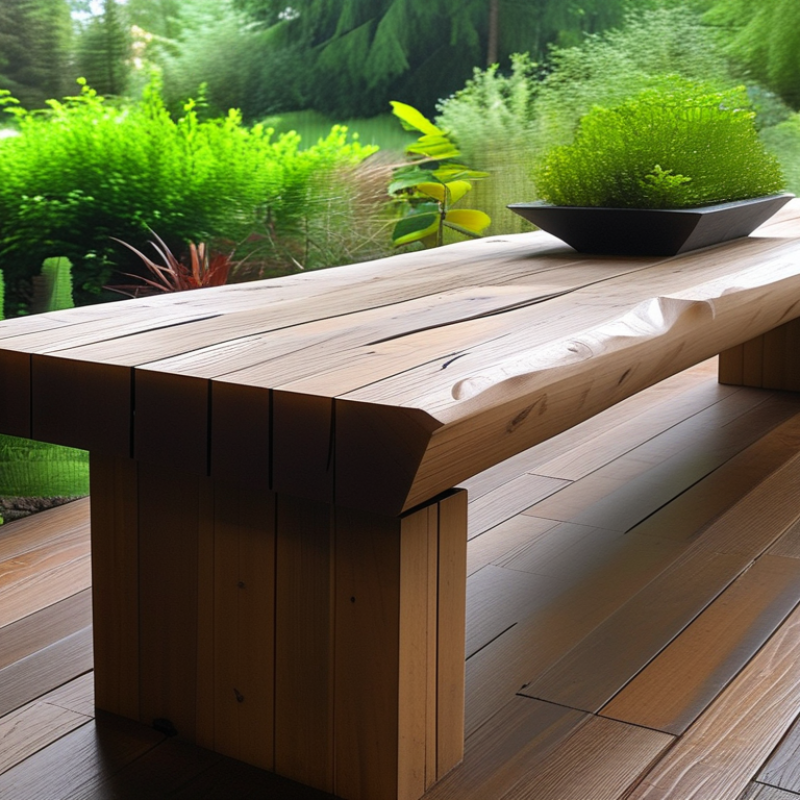
WPC, or wood plastic composite, is gaining popularity in various construction projects. It combines natural wood fibers with recycled plastic. This blend offers an array of benefits, such as durability, low maintenance, and resistance to moisture. Many look to WPC for decking, fencing, and outdoor furniture due to its versatility.
When selecting WPC for your project, consider the material's composition. Look for a higher proportion of wood fibers for authenticity and aesthetic appeal. A good balance in the resin helps improve overall strength. Remember, not all WPC products are made equal; some may lack durability over time. It's worth examining your options closely.
Another key consideration is the environmental impact. Opt for WPC made from recycled materials. This choice reduces waste and promotes sustainability. Durability is also essential to ensure that your investment lasts. Try to visualize the long-term usage of the material in your project.
When in doubt, consult experts in the field. Their insights can guide you toward the best selection based on your specific needs. Involving professionals could lead to better choices and fewer mistakes. This reflection might save time and resources in the long run.
| Property | Description | Benefits |
|---|---|---|
| Durability | Resistant to rot, insects, and weather | Long lifespan reduces maintenance costs |
| Aesthetic Appeal | Available in various colors and textures | Enhances the visual interest of projects |
| Eco-friendliness | Made from recycled materials | Supports sustainable building practices |
| Maintenance | Requires minimal upkeep | Saves time and money on care |
| Cost-effectiveness | Competitive pricing compared to traditional materials | Great value due to longevity |
: WPC stands for wood plastic composite, combining wood fibers and recycled plastic.
WPC offers durability, low maintenance, and moisture resistance. It suits various outdoor applications.
Look for a high proportion of wood fibers. Balance in resin content is also important for strength.
Choose WPC made from recycled materials to reduce waste and promote sustainability.
Analyze durability, slip resistance, and installation ease to ensure suitability for your needs.
Investing in high-quality, durable materials can save costs on repairs in the long run.
Material costs range from $2.50 to $5.00 per square foot, with installation adding $3 to $10.
Samples help compare textures and colors directly, aiding in informed purchasing decisions.
Reviews provide insights on longevity and performance, helping to avoid poor purchasing choices.
Prepare a detailed budget estimating both material and installation expenses to mitigate surprises.
When choosing the best WPC (Wood Plastic Composite) for your project, it's essential to understand the materials and benefits this composite offers. WPC combines the advantages of wood and plastic, resulting in a durable and low-maintenance material suitable for various applications. Key factors to consider include the specific project requirements, desired aesthetic appeal, and environmental considerations.
Evaluating the performance characteristics of different WPC products is crucial, as it helps determine their longevity and resistance to weathering. Additionally, aesthetic factors such as colors, textures, and finishes can significantly influence your final choice. Lastly, conducting a thorough cost analysis is vital for budgeting both the selection and installation processes, ensuring that the chosen WPC meets your project's financial and functional needs.

 Qianbang