In recent years, WPC Wood has gained significant traction in the building and construction industry. As a blend of wood and plastic, it offers durability and aesthetic appeal for various projects. According to Michael Thompson, a leading expert in sustainable materials, "Choosing the right WPC Wood can elevate the quality of your project and ensure longevity."
Selecting the best WPC Wood can seem daunting, especially with the wide variety available. Characteristics like resistance to rot, color stability, and ease of maintenance are crucial. However, some products may not meet expectations, leading to unnecessary challenges. Understanding the nuances of WPC Wood is essential for making informed decisions.
It is vital to assess your specific needs and project goals. Quality varies between manufacturers, and not all options deliver the advertised benefits. Investing time in research can prevent costly mistakes. Therefore, choosing the right type of WPC Wood is not just important; it’s fundamental to the success of your endeavor.
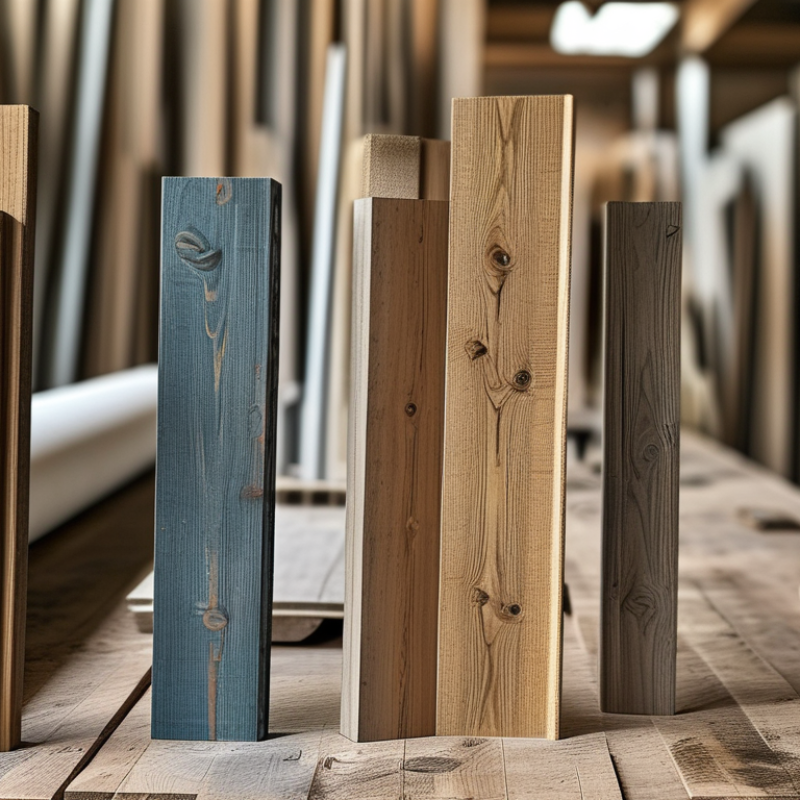
WPC wood, or wood-plastic composite, is a blend of wood fibers and plastic materials. This combination results in a versatile building material. WPC wood mimics the appearance of traditional wood but offers unique benefits. It is resistant to rot and decay, making it ideal for outdoor projects. The composition varies, typically containing around 60% wood fibers and 40% plastic. This ratio can affect the final product's durability and aesthetic.
Understanding the composition of WPC wood is crucial for making informed choices. Different manufacturers may use varying types of plastic and wood fibers, which impacts quality. Some WPC products might feel less like real wood, while others can closely resemble it. It's essential to analyze these attributes to match your project needs.
Another factor to consider is the environmental impact. While WPC wood is often marketed as eco-friendly, not all products use recycled materials. Some may still contribute to plastic waste. This raises questions about the true sustainability of WPC wood. Selecting a product that aligns with your values is important. The composition not only influences durability but also the ethical implications of your choices.
| WPC Wood Type | Composition | Durability | Typical Applications | Environmental Impact |
|---|---|---|---|---|
| Traditional WPC | Wood fibers + Plastic composites | Moderate to High | Decking, Fencing | Recyclable materials |
| Eco-Friendly WPC | Recycled wood + Bioplastic | High | Outdoor Furniture, Landscaping | Highly sustainable |
| Wood-Look WPC | Wood fibers + PVC | High | Wall Cladding, Patios | Minimally impactful |
| Composite WPC | Wood composites + Thermoplastics | Very High | Commercial and Residential Decks | Improved eco-friendliness |
: WPC stands for Wood Plastic Composite. It combines wood fibers and plastic for durability.
The primary types include decking, railing, and fencing. Each serves a specific purpose.
Consider your project's purpose, maintenance needs, and desired appearance.
Many WPC products are weather-resistant, but some may warp or fade over time.
WPC can be pricier than traditional wood, but it offers long-term savings due to durability.
Measure your project size accurately and account for installation and tool costs in your budget.
Yes, but cheaper materials might lead to complications later. Prioritize overall value.
A well-thought-out budget prevents overspending and ensures project success.
Some WPC materials need less upkeep, but research is essential to choose the right type.
Reflecting on previous experiences can help avoid overspending in new projects.
When selecting the best WPC wood for your projects, it's essential to first understand what WPC wood is and its composition, which typically includes a blend of wood fibers and plastic. There are various types of WPC wood available in the market, each suited for different applications, making it crucial to choose one that matches your project's specific needs.
Key factors to consider include durability, maintenance requirements, and cost. Assessing the durability of WPC wood is vital, as it affects the longevity of your project, while maintenance needs can impact your time and resources in the long run. Conducting a thorough cost analysis will help you budget effectively for your WPC wood projects, ensuring you get the best value without compromising on quality.

 Qianbang