How to Choose Fluted Veneer Panels for Your Projects?

Time:2026-07-16 Author:Ethan
0%

Fluted Veneer Panels have gained popularity in various interior design projects. As per a recent industry report by Market Research Future, the global market for wooden panels is projected to reach $60 billion by 2025, driven by trends in sustainability and aesthetics. Designers and builders are choosing Fluted Veneer Panels for their unique texture and versatility, enhancing the visual appeal of spaces.

These panels are not just about beauty. Their grooved surface can create an illusion of depth and movement. However, selecting the right Fluted Veneer Panels requires careful consideration of factors like grain patterns and color matching. As seen in design case studies, the wrong choice can lead to visual clutter or mismatched themes.

Proper installation techniques are essential, as improper methods can diminish their appeal. A survey by the National Wood Flooring Association shows that 30% of projects fail due to inadequate planning and material choice. Educating oneself on Fluted Veneer Panels can lead to successful and lasting results in any project.
How to Choose Fluted Veneer Panels for Your Projects?

Factors to Consider When Selecting Fluted Veneer Panels for Design Projects

When selecting fluted veneer panels for design projects, several factors deserve attention. One primary consideration is the material itself. Understanding the type of wood and its grain pattern can significantly impact the overall aesthetic. Some woods are more porous and may absorb finishes differently, affecting the final look.

Another critical aspect is the thickness of the veneer. Thicker panels may provide better durability and a sense of quality, but they can also be more challenging to work with. Some projects might benefit from thinner options. It's essential to match the veneer thickness with the application requirements to ensure both functionality and style.

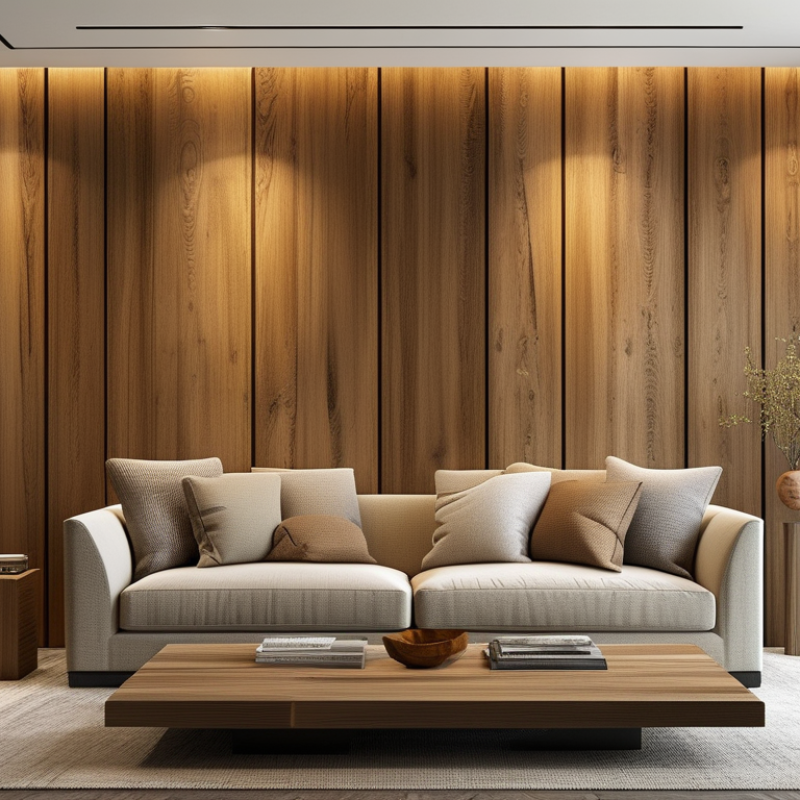
Lighting plays a significant role in how the veneers appear. The way light interacts with the flutes can create beautiful shadows and highlights. Observing the panels under different lighting conditions can help in making an informed choice. Consider testing samples in your project space. This approach allows for reflection and possibly adjusting your choices before committing to a final decision.

Understanding the Different Types of Fluted Veneer Panels Available

Fluted veneer panels come in various types, each offering distinct aesthetics and functionality. When examining the available options, consider the profile of the flutes. Some flutes are wider and deeper, providing a more pronounced texture. Others are finer, which can create a subtle elegance. The choice of flute profile significantly influences the overall look of your project.

Additionally, the material of the veneer is crucial. Natural wood veneers give warmth and character, while engineered options may offer greater consistency. The grain pattern can also vary, adding uniqueness to each panel. You might find it challenging to select a veneer that aligns with your vision. Personal preferences play a big role. Sometimes, the beautiful grain of a wood might not work with your design concept.

Keep in mind that while aesthetics are important, functionality also matters. Panels should be durable and easy to maintain. Always check for quality indicators. This includes how well the veneer adheres to its base and how resistant it is to wear. A selection that looks good but lacks durability can lead to regret later. Reflecting on your long-term needs can guide your choice effectively.

Fluted Veneer Panels: Types and Uses

This chart illustrates the popularity score of various fluted veneer panel types. The scores range from 1 to 10, indicating how favored each wood type is in projects.

Analyzing the Aesthetic Impact of Fluted Veneer Panels in Interior Design

Fluted veneer panels introduce a unique aesthetic to interior spaces. Their ribbed texture creates a dynamic interplay of light and shadow. This effect enhances spatial perception, making rooms appear larger and more inviting. According to the Interior Design Federation, textured finishes have seen a 25% increase in popularity among designers over the past year. Such statistics underscore the growing trend toward tactile elements in modern interiors.

Using fluted veneer panels can evoke warmth and sophistication. The varying widths of the flutes create rhythm and movement in design. Data from the American Institute of Architects reveal that natural materials like wood are favored by 70% of architects for residential projects. These panels align with that preference, offering a sustainable option that enhances visual depth without sacrificing environmental principles.

However, selecting the right fluted panels can be challenging. Not all styles suit every interior. A common pitfall is overusing the texture, resulting in a chaotic look. Balancing fluted panels with smoother finishes is crucial. The aim is to create harmony, not confusion. This approach elevates the design while tapping into the powerful aesthetic benefits of fluted shapes.

Evaluating Durability and Maintenance Requirements for Fluted Veneer Panels

When selecting fluted veneer panels, it's crucial to assess both durability and maintenance needs. These panels can enhance the aesthetic appeal of any project. However, their longevity depends on the material quality and the environment they inhabit. For instance, high-moisture areas may compromise the integrity of veneer over time. Choose panels that are designed for resistance to warping and fading.

Maintenance is another key consideration. Regular cleaning can prolong the life of fluted veneer panels. Use a soft cloth and mild detergents to avoid scratches. Be cautious with harsh chemicals, as they can damage the finish. Periodic inspections help identify wear and tear early. Such diligence can prevent costly replacements later on.

It's also essential to factor in the intended use of the panels. High-traffic areas demand more robust options. In contrast, decorative applications may allow for less durable materials. A thorough evaluation of both durability and maintenance requirements will lead to more informed decisions. This approach ensures that your investment in fluted veneer panels meets both functional and aesthetic needs.

Cost Comparison: Fluted Veneer Panels vs. Traditional Veneer Options

When considering fluted veneer panels, cost is a crucial factor. Recent reports indicate that fluted veneer panels typically range from $5 to $15 per square foot. In contrast, traditional veneer options can vary widely, often costing between $3 and $10 per square foot. Thus, choosing fluted panels could lead to higher upfront costs. However, it’s essential to weigh these costs against their aesthetic and functional benefits.

Fluted panels offer unique textures and depth, which enhance visual appeal. They create a striking effect that plain veneers often lack. Investing in fluted options may lead to a higher perceived value in your design project. This can translate into better marketability, potentially offsetting initial costs over time. Research shows that properties featuring distinctive design elements can sell for 10-15% more than similar properties with traditional finishes.

Some projects may not require the unique characteristics of fluted panels. In such cases, traditional veneer might suffice. Balancing cost versus design intention is key. Whether indulging in fluted veneer or opting for traditional choices, understanding your project's scope will guide you in making the right financial decisions.

How to Choose Fluted Veneer Panels for Your Projects? - Cost Comparison: Fluted Veneer Panels vs. Traditional Veneer Options

Dimension Fluted Veneer Panels ($/Sq.Ft.) Traditional Veneer Panels ($/Sq.Ft.) Installation Cost ($/Sq.Ft.) Total Cost ($/Sq.Ft.)
4' x 8' $15 $10 $5 $20
4' x 10' $18 $12 $6 $24
4' x 12' $20 $14 $7 $27
5' x 10' $22 $15 $8 $30
5' x 12' $25 $18 $9 $34

FAQS

: What material should I consider for fluted veneer panels?

: The type of wood and its grain pattern are crucial for aesthetics.

How does veneer thickness affect my project?

Thicker panels offer durability but may be harder to work with.

Why is lighting important when selecting veneer panels?

Lighting affects how flutes create shadows and highlights on the veneers.

What should I do before finalizing my choice?

Test samples in your project space to see how they fit.

What types of fluted profiles are available?

Flutes can be wide and deep or fine and subtle, impacting the overall look.

Should I prioritize aesthetics over functionality?

Both are important. A beautiful veneer that isn’t durable can lead to regret.

How can I ensure the quality of veneer panels?

Check how well the veneer adheres and its resistance to wear.

What if the veneer’s grain pattern doesn’t match my design?

Sometimes, the wood’s beauty may not align with your vision; reflect on your needs.

Are engineered veneers better than natural wood?

Engineered options provide consistency, while natural wood adds warmth and character.

How can I avoid mistakes in my selection process?

Reflect on your long-term needs and preferences to guide your choice.

Conclusion

When selecting Fluted Veneer Panels for design projects, several crucial factors must be considered. It’s important to understand the different types available, as they can greatly influence the overall aesthetic of a space. Fluted Veneer Panels not only add unique visual elements but can also enhance interior design through their textural qualities. Evaluating durability and maintenance requirements is essential, as these panels must withstand daily use while retaining their appeal.

Furthermore, cost comparison between Fluted Veneer Panels and traditional veneer options can help project managers make informed decisions that align with budget constraints. Ultimately, Fluted Veneer Panels can provide a striking balance of style and practicality, making them a favored choice for contemporary interiors.


Ethan

Ethan

Ethan is a seasoned marketing professional with a deep expertise in our company's innovative product line. With a passion for sharing knowledge and insights, he takes the lead in regularly updating our corporate blog, where he explores industry trends, product features, and effective marketing......