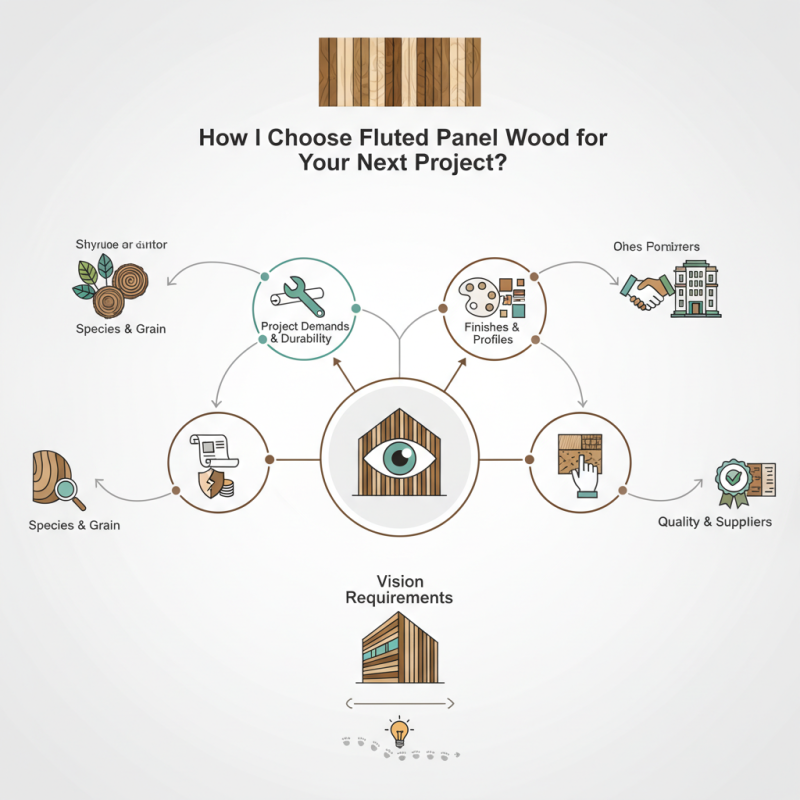
Choosing the right Fluted Panel Wood for your project can elevate its overall aesthetic. Expert designer Sarah Mitchell notes, “The right wood can transform ordinary designs into stunning visuals.” Fluted Panel Wood offers unique textures and patterns that add depth. Selecting the proper species and grain is crucial.
It's important to consider the project's demands. Not all Fluted Panel Wood is created equal. Some options can be costly, while others might lack durability. Assessing your needs helps avoid future regrets. Don’t rush the decision. Take time to explore different finishes and profiles.
Remember, quality matters. Seek materials from reputable suppliers. Testing samples in your space can provide valuable insights. You may find surprises in texture or color that inspire new ideas. The journey to selecting Fluted Panel Wood should be thoughtful, reflecting your project's vision and requirements.
When selecting fluted panel wood for your project, various factors deserve careful consideration. The type of wood is critical. Different species provide varying levels of durability and aesthetic appeal. According to the U.S. Forest Products Laboratory, hardwoods like oak and maple are favored for their strength and elegant grain. However, softer woods such as pine can be more affordable and easier to work with.
Another important aspect is the panel thickness. Standard options typically range from 1/4 inch to 1 inch. Thicker panels offer more stability but may be heavier and more challenging to install. Additionally, look into the finish. Some wood types respond better to stains, while others pair well with paint. The Wood Database emphasizes the importance of selecting a compatible finish for achieving the desired look.
Lastly, environmental impact is an increasingly important concern. Sourcing sustainably harvested wood is not only eco-friendly but may also be a requirement in some projects. However, finding certified wood can sometimes lead to compromises on budget and availability. Striking a balance between quality and sustainability can be tricky but is essential in modern woodworking projects.
When considering fluted panel wood for your project, it's essential to understand the various types available. Fluted panels are characterized by their vertical grooves, which add texture and depth. Among the popular types are solid wood panels, engineered wood, and MDF. Solid wood panels, typically sourced from hardwood species, offer durability and unique grain patterns. According to the Wood Products Council, solid wood remains a favorite for its natural beauty and strength. However, they can be more expensive and may require more maintenance.
Engineered wood panels, like plywood and particleboard, provide a cost-effective alternative. They often retain the aesthetic appeal of solid wood while being lighter and easier to work with. A study by the Forest Products Laboratory notes that engineered wood products reduce waste by utilizing smaller trees and byproducts. Additionally, Medium Density Fiberboard (MDF) offers a smooth surface ideal for painting. While it's not as strong as solid wood, its affordability makes it a popular choice for decorative applications.
Consider the intended use and aesthetics of your project. Solid wood exudes quality but may warp in humid conditions. Engineered options are less susceptible to temperature changes. However, they may not always offer the same visual appeal. Ultimately, assess your project needs carefully, balancing between durability and aesthetics.
When selecting fluted panel wood for your project, understanding the balance of cost versus quality is crucial. Studies indicate that mid-range fluted panels can cost between $3 to $8 per square foot, while premium options might go up to $12 or more. High-quality wood not only enhances aesthetics but also provides longevity unmatched by cheaper alternatives.
Cost savings may be tempting, but they often lead to compromises. A 2021 survey by the Wood Products Manufacturers Association showed that 70% of builders noticed cracks or warping in low-cost panels within five years. A skimp on quality now can mean higher costs in repairs later. For instance, using moisture-resistant wood can mitigate problems in high-humidity environments, preserving the wood's integrity over time.
It's also essential to consider the source and type of wood. Sustainable timber options have gained traction, appealing to environmentally conscious consumers. Reports show that sustainably sourced wood can perform similarly to conventional wood. However, availability may vary, affecting both costs and delivery times. Therefore, weigh immediate affordability against long-term durability when making your choice.
Maintaining fluted panels is crucial for their durability and aesthetic appeal. Start by regularly dusting the surface with a soft, dry cloth. This simple act prevents dirt buildup. Many homeowners overlook the need for periodic cleaning, which can lead to stains or discoloration over time. A gentle cleaner can be used for tougher stains. Always test it in a small, inconspicuous area first.
Humidity control is essential for fluted panels. Excess moisture can warp the wood. Using a dehumidifier in damp environments can make a significant difference. On the other hand, a dry atmosphere may cause the wood to crack. Aim for a balanced humidity level for optimal preservation.
Pay attention to any signs of wear. Small scratches or dents can compromise the appearance and integrity of your panels. Address these issues promptly. Consider reapplying finish or sealant every few years. This process not only enhances the look but also provides a protective barrier. Without enough care, the beauty of fluted panels may quickly fade.
Fluted panel wood has emerged as a game-changer in modern design studios. Its unique texture and elegant lines create visual interest that appeals to both minimalist and maximalist tastes. Designers often incorporate fluted panels as accent walls or furniture elements. The interplay of light and shadow enhances the depth of a space, bringing a dynamic quality that flat surfaces can't achieve.
In innovative applications, fluted paneling can be used in cabinetry, room dividers, and even ceiling designs. This versatility allows designers to play with proportions and layouts. However, the challenge lies in ensuring the fluted panels harmonize with other design elements. Without thoughtful integration, they can overwhelm a space. Additionally, sustainability is a concern; sourcing responsibly produced wood is essential, yet not all materials meet this criterion.
The charm of fluted panel wood lies in its ability to evoke warmth and sophistication. Yet, it requires a discerning eye to select the right style and finish. Imperfections in the grain can add character, though they might not suit everyone's aesthetic. Balancing these elements is key to creating cohesive, modern spaces that resonate with users while reflecting personal style.
| Application Area | Wood Type | Thickness (mm) | Finish Type | Color Options |
|---|---|---|---|---|
| Wall Panels | Oak | 18 | Matte | Natural, Whitewash |
| Furniture | Walnut | 20 | Glossy | Dark Brown, Black |
| Ceiling Accents | Maple | 15 | Satin | Light Beige, Honey |
| Cabinetry | Cherry | 19 | Opaque | Red, Mahogany |
| Room Dividers | Ash | 22 | Textured | Grey, White |
: Consider hardwood like oak for durability and aesthetic appeal. Softer woods like pine are affordable and easy to work with.
Panel thickness typically ranges from 1/4 inch to 1 inch. Thicker panels offer more stability but may be heavier.
Some wood types absorb stains better, while others work well with paint. Match the finish to the wood type for best results.
Sourcing sustainably harvested wood is eco-friendly. However, it can affect your budget and availability, posing a dilemma.
Regular dusting with a soft cloth prevents dirt buildup. Periodic cleaning is essential to avoid stains and discoloration.
Use a dehumidifier in damp areas to prevent warping. Conversely, monitor for dryness to avoid cracking in the wood.
Address wear promptly to maintain appearance. Reapply sealant or finish every few years for added protection.
Without proper care, the beauty of fluted panels may fade. Regular maintenance is key to preserving their appeal.
It requires attention to detail, but the steps are straightforward. Regular cleaning and humidity control can make a big difference.
Yes, always test cleaners on an inconspicuous area first. Gentle cleaners are safer for addressing tough stains without damage.
When selecting Fluted Panel Wood for your next project, it is essential to consider several key factors, such as the type of wood, finish options, and the overall aesthetic you aim to achieve. Understanding the different types available in the market can help you choose the perfect match for your design needs. Additionally, balancing cost with quality is crucial, as Fluted Panel Wood can vary significantly in price based on materials and craftsmanship.
To ensure the longevity of your fluted panels, following best maintenance practices is important, including regular cleaning and appropriate humidity control. Beyond traditional uses, innovative applications of Fluted Panel Wood in modern design have expanded, integrating it into various architectural and artistic expressions, making it a versatile choice for contemporary projects.

Qianbang