2026 Best WPC Wood Plastic Composite for Global Buyers?

Time:2026-05-11 Author:Madeline
0%

In recent years, WPC wood plastic composite has gained immense popularity globally. This innovative material combines the best features of wood and plastic, offering durability and aesthetic appeal. As more buyers seek sustainable options, WPC wood plastic composite stands out for its environmentally friendly qualities.

However, not all WPC products are created equal. The varying quality, finishes, and manufacturing processes can be overwhelming for buyers. Understanding what makes the best WPC wood plastic composite requires research and expertise.

As we approach 2026, the demand for reliable and high-performing WPC wood plastic composite continues to surge. Buyers must be informed. We will explore the leading options available on the market and highlight specific qualities to consider. Investing in the right product can lead to lasting satisfaction. Yet, it’s essential to be cautious and avoid common pitfalls.
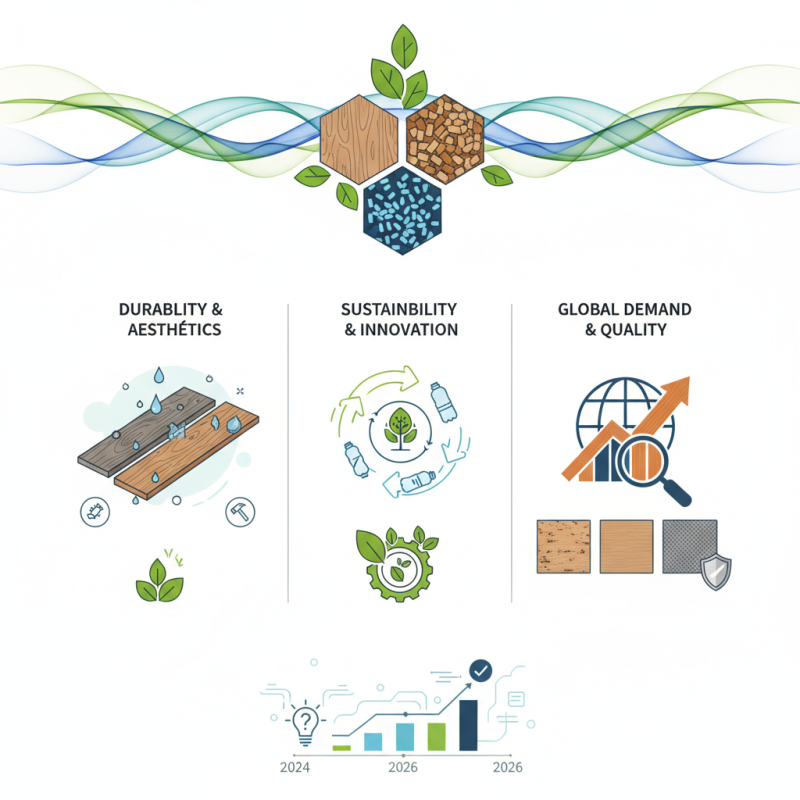
2026 Best WPC Wood Plastic Composite for Global Buyers?

Overview of WPC (Wood Plastic Composite) and Its Global Market Trends

The global market for wood plastic composites (WPC) is evolving rapidly. As environmental concerns rise, WPC offers a sustainable alternative to traditional materials. It blends wood fibers with plastic, creating a durable and recyclable product. This fusion helps reduce deforestation while minimizing plastic waste.

WPC usage spans various sectors. From decking to furniture, its versatility is impressive. Buyers are increasingly drawn to its aesthetic appeal and low maintenance. However, some challenges exist. The market is still grappling with consistent quality standards. Variations in material composition can impact performance. Consumers should be cautious and seek reliable suppliers.

Global trends indicate a growing preference for eco-friendly products. More builders and manufacturers are adopting WPC as they commit to sustainability. Innovations in production methods are enhancing its performance. Yet, education about WPC remains essential. Many potential buyers still lack awareness of its benefits and applications.

2026 Best WPC Wood Plastic Composite for Global Buyers

Region Market Size (Million USD) Growth Rate (%) Application Segment Key Trends
North America 1200 5.2 Decking, Fencing Increased construction activities
Europe 950 4.8 Flooring, Furniture Sustainability initiatives
Asia Pacific 800 7.5 Infrastructure, Construction Rapid urbanization
Latin America 450 6.0 Automotive, Packaging Growing demand for eco-friendly materials
Middle East & Africa 300 5.0 Construction, Furniture Investment in tourism and infrastructure

Key Properties and Benefits of WPC for Buyers in 2026

Wood Plastic Composite (WPC) is gaining traction as a sustainable building material. Its unique properties make it highly desirable for global buyers in 2026. According to a recent report from the Market Research Future (MRFR), the WPC market is expected to reach approximately $10 billion by 2026, driven by its versatility and ease of maintenance. This composite material is composed of recycled wood fibers and plastics, offering a green alternative to traditional materials.

One of the chief benefits of WPC is its durability. With a resistance to moisture, decay, and pests, WPC products last significantly longer than conventional wood. The Natural Resources Canada highlights that WPC retains its integrity for over 25 years in outdoor applications. Additionally, it provides excellent thermal insulation, reducing energy costs. However, it is essential to acknowledge that WPC can sometimes be prone to fading under intense UV exposure.

Another significant factor for buyers is the ease of installation. WPC products often come with tongue-and-groove systems that simplify assembly. Industry studies suggest that labor costs can be reduced by up to 30% compared to traditional materials due to this ease of use. However, potential buyers should also consider the environmental impact of plastic components in WPC and assess the production process's sustainability. These reflections underscore the need for informed choices in selecting WPC products while balancing benefits with environmental concerns.

Leading Manufacturers and Suppliers of WPC Products Worldwide

Wood Plastic Composite (WPC) has gained popularity in recent years. Many industries seek reliable manufacturers and suppliers. These companies must provide quality products that withstand various environmental conditions. WPC is beneficial for outdoor applications like decking, fencing, and furniture.


When choosing a supplier, consider their experience and expertise. An established company understands market demands and offers innovative solutions. It is also crucial that they prioritize sustainability. Eco-friendly practices resonate with many consumers today.


Not every manufacturer meets high standards. Some may deliver inconsistent products. Research their reputation through reviews and case studies. Ensure they have certifications that confirm product reliability. A trustworthy supplier will help facilitate better project outcomes while minimizing risks.

Sustainability and Environmental Impact of WPC Materials

Wood Plastic Composite (WPC) materials have gained traction for their sustainability. These composites typically consist of recycled wood fibers and thermoplastics. This combination reduces deforestation and minimizes waste. According to a 2021 report by the European Composites Industry Association (ECPA), WPC can utilize up to 70% recycled materials. This statistic highlights WPC's potential to reduce the environmental footprint of traditional materials.

However, WPC materials are not without their challenges. The production process can be energy-intensive. Some studies indicate that while WPC reduces landfills, it can emit greenhouse gases during manufacturing. Furthermore, the long-term durability of WPC raises questions about its lifecycle impact. Research published in the Journal of Cleaner Production found that while WPC has lower immediate environmental effects, its longevity in different climates is still under examination.

Despite these concerns, WPC remains a popular choice for green building initiatives. Its ability to mimic the aesthetics of wood can replace less sustainable options. Yet, buyers must weigh the pros and cons carefully. As the market evolves, continuous improvement in production methods is necessary to enhance WPC's sustainability profile.

Current Innovations and Future Prospects in WPC Technology

Wood Plastic Composite (WPC) technology is evolving rapidly. Innovations are pushing the boundaries of sustainability and performance. Manufacturers are exploring new formulations that improve durability and reduce environmental impact. These advancements hold promise for various applications, including decking, cladding, and furniture.

Recent studies showcase bio-based additives enhancing WPC's strength. These materials mimic the properties of traditional wood. Additionally, researchers are focusing on recycling processes, transforming post-consumer plastics into high-quality composites. This shift addresses global waste issues while meeting consumer demands for eco-friendly products.

Challenges remain in standardization and production efficiency. As brands develop unique blends, consistency can suffer. Consumers may struggle to evaluate quality, making informed choices difficult. The path to reliable WPC products requires collaboration among manufacturers, engineers, and regulators. Shared knowledge and innovative approaches will drive the future of WPC technology, benefiting buyers worldwide.

FAQS

: What is Wood Plastic Composite (WPC) made of?

: WPC consists of recycled wood fibers and thermoplastics, offering a sustainable building material.

What are the benefits of using WPC?

WPC is durable, resistant to moisture and pests, and lasts over 25 years outdoors. It also insulates well.

Is WPC easy to install?

Yes, WPC often features tongue-and-groove systems, which simplify the assembly process and reduce labor costs.

Does WPC have any environmental drawbacks?

Yes, the production of WPC can be energy-intensive and may emit greenhouse gases.

How sustainable is WPC compared to traditional materials?

WPC can contain up to 70% recycled materials, reducing waste and deforestation compared to conventional options.

What challenges does WPC technology face?

Issues include standardization and production efficiency, leading to difficulty in evaluating product quality consistently.

Can WPC fade over time?

Yes, WPC can be prone to fading, especially under intense UV exposure, affecting its appearance.

What innovations are being explored in WPC technology?

Manufacturers are researching bio-based additives and recycling processes to enhance durability and sustainability.

Should buyers consider WPC’s lifecycle impact?

Yes, while it has lower immediate effects, the long-term durability and climate performance need careful assessment.

What is needed for WPC’s future improvement?

Collaboration among manufacturers, engineers, and regulators is essential to enhance production methods and product consistency.

Conclusion

The article titled "2026 Best WPC Wood Plastic Composite for Global Buyers?" provides a comprehensive overview of the WPC wood plastic composite market and its current trends. As demand for sustainable building materials rises, WPC is positioned as a leading solution due to its unique properties, including durability, low maintenance, and resistance to moisture and insects. The article highlights the benefits that make WPC attractive to global buyers, particularly in the context of growing environmental consciousness.

Furthermore, it explores key manufacturers and suppliers, emphasizing the global nature of the WPC market. The sustainability and environmental impacts of WPC materials are critically examined, showcasing their role in reducing plastic waste and promoting eco-friendly practices. Additionally, the article discusses current innovations and future prospects in WPC technology, indicating a promising trajectory for this versatile composite in various applications.


Madeline

Madeline

Madeline is a dedicated marketing professional with a wealth of expertise in our company's core offerings. With a keen understanding of the industry, she brings a unique perspective to her role, consistently delivering high-quality content that highlights the superior aspects of our products. As......