WPC wall panel design has gained traction as a versatile solution for modern interiors. Statistics indicate that the global demand for WPC products is expected to reach $9 billion by 2027, highlighting its growing popularity. This trend stems from their durability, lightweight nature, and aesthetic appeal. Brands are increasingly focusing on eco-friendly materials, as sustainable practices become a priority in interior design.
WPC wall panels can transform any space with their unique textures and colors. Designers utilize a wide range of finishes to cater to diverse tastes. Yet, finding the perfect design can be challenging. Many overlook the importance of aligning panel choices with overall design themes. Awareness of spatial dynamics is crucial when selecting WPC wall panels.
The industry continues to evolve, showcasing innovative designs and applications. There is still a need for greater understanding of integration techniques. Professionals must assess both aesthetic and functional aspects. While WPC wall panels present numerous benefits, careful consideration is essential to achieve desired outcomes. Understanding the nuances can elevate your overall design strategy.
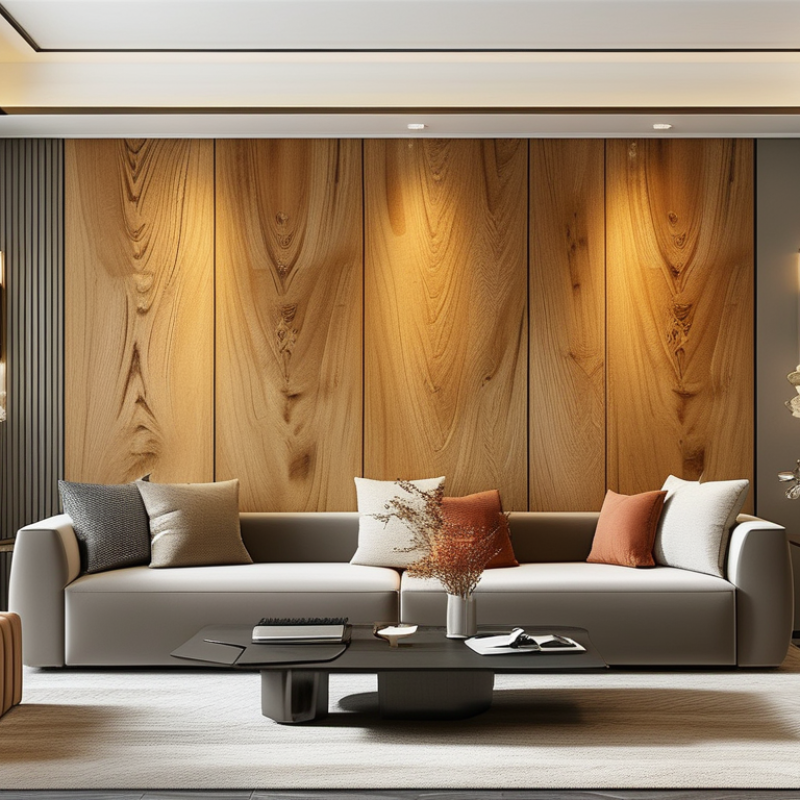
WPC, or wood-plastic composite, is an innovative material in modern architectural design. It combines wood fibers with recycled plastics, creating a durable and aesthetically pleasing option for wall panels. According to a recent industry report, the global WPC market is expected to reach $10 billion by 2027, demonstrating its growing popularity.
One significant benefit of WPC wall panels is their resistance to moisture. Unlike traditional wood, they do not warp or rot. This characteristic is particularly valuable in humid environments, such as kitchens and bathrooms. Additionally, WPC panels are easier to maintain, requiring only occasional cleaning to preserve their appearance. However, some users note that while WPC offers great durability, it may lack the warmth and natural feel of solid wood.
WPC panels come in various designs, from sleek and modern to textured finishes. Color options are extensive, catering to diverse aesthetic preferences. Still, selecting the right panel requires attention to the overall design of the space. A mismatch can detract from the intended modern look. Understanding these aspects is crucial for achieving a harmonious interior.
This chart illustrates the popularity of various WPC wall panel design ideas among designers, showcasing the current trends in modern spaces. The minimalist style leads in popularity, followed by nature-inspired and geometric patterns.
When designing modern interiors, WPC wall panels stand out with various themes. A popular choice is the natural wood finish. This option brings an outdoor vibe indoors. It creates warmth and adds texture. Pair it with minimalistic furniture for a balanced look. The contrast between smooth surfaces and textured panels captivates the eye.
Another enticing theme is the geometric pattern. Straight lines and sharp angles create a sense of structure. Bold colors can amplify this effect. However, achieving harmony requires careful selection of colors. A wrong choice might oversaturate the space. Think about the lighting; it plays a crucial role in defining the atmosphere.
Industrial designs with a raw, unfinished feel are also trending. These panels often incorporate darker hues and rugged finishes. They evoke a sense of sophistication but can feel overwhelming if overused. Balance these walls with softer decorations to keep the environment inviting. The key is to blend styles, creating personal eclectic designs that truly reflect individual taste.
WPC wall panels provide endless options for creative design. One popular approach is to combine bold colors with natural textures. For instance, pairing a deep navy blue panel with a rustic wood finish can bring warmth and sophistication to modern spaces. This contrast not only adds depth but also invites conversation.
Tips: Consider using lighter shades for smaller rooms. Lighter colors can make spaces appear larger and more inviting. Mix and match textures, too; a smooth panel next to a rough one creates visual interest.
Another exciting idea is to incorporate geometric patterns. Using WPC panels to create unique shapes on walls adds a striking element. A combination of matte and glossy finishes can further enhance the effect. Experimentation is key here—don't be afraid to step outside traditional boundaries.
Tips: Always test colors in natural light before finalizing. Colors can change dramatically in different settings. Reflect on how each choice makes you feel; design should evoke emotion.
WPC panels have gained popularity in modern interior design. They offer a blend of durability and aesthetic appeal. Incorporating WPC panels in various room styles can elevate the overall ambiance. For a contemporary living room, consider using dark wood-colored panels. They create a warm, inviting atmosphere. Opting for lighter tones can open up the space, making it feel airy.
In a kitchen, WPC panels can add texture and character. Bright colors paired with natural wood finishes bring vibrancy. Don’t shy away from using bold patterns to make a statement. In bedrooms, soft-toned panels can create a serene escape. Textured finishes evoke a sense of luxury. However, it's crucial to balance design with functionality. Too much texture can overwhelm a small room.
While integrating WPC panels, reflect on your design choices. Ensure that the colors and textures complement each other harmoniously. Think about how the panels will interact with existing furniture. Experimentation is encouraged, but avoid clutter. Keep it simple yet impactful for the best results.
WPC wall panels are a popular choice for modern spaces due to their aesthetic appeal and durability. However, maintaining their look and longevity requires care. Regular cleaning is crucial. Use a soft cloth and mild soap to wipe off dust and grime. Avoid harsh chemicals, as they can damage the surface. A gentle approach ensures your panels remain vibrant and intact.
Temperature and humidity fluctuations can affect WPC panels. It’s essential to keep indoor conditions stable. Excess moisture can lead to warping or mold. Ensure proper ventilation in areas prone to dampness. If discoloration occurs, consider using a touch-up stain instead of replacing the entire panel. This can be a cost-effective solution while retaining the visual appeal of your walls.
Inspect your panels periodically for signs of wear. Look for scratches or dents that might need repair. An occasional coat of sealant can enhance protection against the elements. The goal is to preserve the natural beauty of WPC panels while ensuring they stand the test of time. By being proactive, you can enjoy the benefits of your wall panels for years.
: Popular themes include natural wood finishes, geometric patterns, and industrial designs. Each offers a unique vibe for interiors.
Choose colors carefully to avoid oversaturation. Lighting also plays a key role in achieving harmony within the space.
Bold colors paired with natural textures create depth. Lighter shades can make small rooms more inviting and spacious.
Geometric patterns add striking elements. Mix matte and glossy finishes to elevate the visual interest.
Regular cleaning with a soft cloth and mild soap is essential. Avoid harsh chemicals to preserve the surface.
Fluctuations in temperature and humidity can damage panels. Ensure stable indoor conditions and proper ventilation.
Use a touch-up stain instead of replacing the entire panel for cost-effective repair while retaining visual appeal.
Periodic inspections are necessary to check for wear. Look for scratches or dents that might need attention.
An occasional coat of sealant can enhance protection. This helps maintain the natural beauty of the panels.
Consider how each design choice makes you feel. Design should evoke emotion and truly reflect individual taste.
WPC wall panel design has emerged as a popular choice for modern interiors, offering a blend of durability and aesthetic appeal. This article delves into the benefits of WPC (Wood Plastic Composite) as a material, highlighting its resilience against moisture and pests. Readers will discover various design themes suitable for contemporary spaces, showcasing how these panels can enhance the visual appeal of any room.
Creative color and texture combinations are essential for achieving unique WPC wall panel designs that resonate with personal style. Additionally, insights into incorporating these panels across different room layouts ensure a cohesive look throughout the home. Finally, practical maintenance tips are provided to help preserve the beauty and longevity of WPC wall panels, making them a smart investment for stylish living.

Qianbang