What Are the Best Fluted Wall Panels in 2026?

Time:2026-11-08 Author:Aria
0%

Choosing the best fluted wall panels in 2026 takes more than picking a profile from a showroom photo. A Flute Wall Panel can add depth to a plain wall, soften a hallway, or frame a bed. It can also collect dust in narrow grooves. Small details matter.

Architect Frank Lloyd Wright offered a useful design principle: “Form and function should be one, joined in a spiritual union.” He was not speaking specifically about fluted panels, but the idea applies: a feature wall should suit the room, not merely follow a trend. Look closely at flute spacing, panel thickness, edge finishes, and how seams meet around corners. A sample held beside your flooring can reveal undertones that screen images hide.

There is no single best panel for every home. Not even close. The right choice depends on the room, budget, installation method, and cleaning needs. This guide compares material options, visual styles, durability, and value, while noting where product claims deserve a closer look. A lightweight panel may be easier to fit, yet its surface might show dents sooner. A deeper profile can create stronger shadows, but it may feel busy on a narrow wall. We’ll weigh those trade-offs rather than pretend every option is perfect. Before buying, check current specifications and request a physical sample; finishes can vary between batches.
What Are the Best Fluted Wall Panels in 2026?

What Fluted Wall Panels Are and How Their Designs Differ

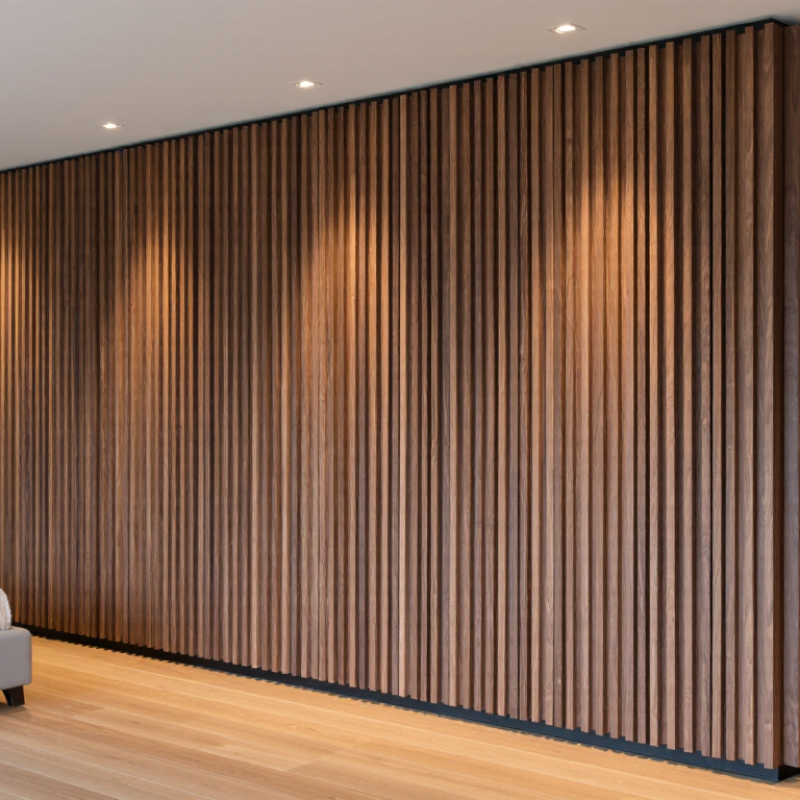
Fluted wall panels are decorative surfaces shaped with repeating grooves and raised ribs. Their vertical lines can make a room feel taller, while the shadows add depth without artwork or heavy trim. Designs differ in groove width, spacing, depth, and edge shape. A narrow, closely spaced profile creates a fine, busy texture; broader channels feel calmer and more architectural. Rounded ribs soften a room, while crisp, square grooves look more formal. Light matters. Side lighting makes even shallow ridges stand out.

Material changes both appearance and upkeep. Engineered wood panels often have a consistent finish and can be easier to cut than solid timber, whose grain varies from piece to piece. Moisture-resistant composites may suit some humid interiors, but check the product’s stated limits before choosing one. Backing also matters: felt-backed panels can help reduce reflected sound, though they do not replace proper acoustic treatment. A grooved face alone is not proof of sound control. Check panel dimensions, installation requirements, and wall condition before buying. Samples help, but they can mislead; a subtle pattern on a small piece may feel overpowering across an entire wall. There is no universally best profile. A useful choice balances room scale, lighting, maintenance, and the texture you genuinely want to live with.

Which Materials and Finishes Are Available in 2026

In 2026, fluted wall panels come in solid timber, veneered MDF, painted MDF, recycled polymer, and acoustic PET felt. Each creates a different feel. Oak veneer shows varied grain, while painted MDF gives the ribs a consistent color. Polymer panels can suit damp areas, but always check the product’s installation and moisture specifications.

Finishes range from clear oil and matte lacquer to stains, paint, wood-look laminates, and textured coatings. A low-sheen finish softens reflections across narrow grooves; darker colors make the fluting more pronounced. Samples matter. Check them beside your actual lighting, because showroom colors can shift at home. Also inspect cut edges and corners: these details often reveal whether a panel will look convincing after installation.

Material choice has a wider impact. UNEP and the Global Alliance for Buildings and Construction reported that buildings and construction accounted for 34% of global energy demand and 37% of energy- and process-related carbon emissions in 2022, in their 2024 Global Status Report. That figure covers the whole sector, not wall panels alone, but it supports asking about recycled content, sourcing, and product lifespan. For a bedroom, acoustic felt may help soften room noise; for a busy hallway, a durable, repairable finish may matter more. Details change everything. A beautiful sample is not a performance specification.

How to Compare Durability, Cost, and Installation Requirements

What Are the Best Fluted Wall Panels in 2026?

The best fluted wall panel depends on where it will go, how much wear it must handle, and what your budget covers. PVC panels resist splashes, making them practical near sinks, but their finish can look less convincing up close. MDF often offers crisp grooves and a lower price, yet it needs a dry, stable room. Wood veneer brings natural variation, though sunlight and humidity may change its appearance over time. Check the panel’s thickness, surface coating, and care instructions—not just its price per square foot. A cheaper panel can cost more if it needs extra trim or careful cutting.

Installation requirements matter. Measure the wall in several places; older rooms are rarely perfectly square. Panels may attach with adhesive, screws, or a supporting frame, depending on their weight and the wall surface. Remove dust and loose paint before fitting, and plan how edges will meet corners, outlets, and baseboards. Uneven walls can leave visible gaps. I would not assume a neat product photo means an easy installation; a small test section can reveal problems before you commit.

Tips: Compare total project costs, including tools, adhesive, trim, and waste from cuts. Keep a spare offcut to test cleaning products. If the wall is damp or uneven, fix that condition before covering it. That step is easy to overlook.

What Are the Best Fluted Wall Panels in 2026?

A practical comparison of common panel materials for durability, moisture resistance, relative cost, and installation ease.

How to read this: Ratings are indicative comparisons on a 1–5 scale, not standardized test results. Higher scores indicate better performance; for relative cost, a higher score means lower cost. Actual results vary with panel construction, finish, room conditions, and installation method.

Which Fluted Wall Panels Suit Different Rooms and Budgets

Fluted wall panels can suit very different rooms, but the right choice depends on moisture, acoustics, and installation cost. In living rooms, painted MDF or veneer creates a warm feature wall without covering every surface. For bedrooms, narrow flutes behind the bed add texture while keeping the room calm. Small rooms need restraint. Pale finishes and shallow grooves can feel less imposing than dark, deep profiles.

Bathrooms and laundry rooms need panels rated for damp conditions; standard MDF can swell if water reaches its edges. Kitchens benefit from wipeable finishes, especially near dining areas rather than directly beside cooking zones. For a tighter budget, use panels on one wall and check whether trims, adhesive, and finishing are included in the quoted price. A 2024 Houzz & Home Study reported median U.S. renovation spending of $24,000 in 2023, but that figure covers entire projects, not wall panels. It is useful context, not a panel-price estimate. For shared workspaces or media rooms, ask for tested acoustic ratings; decorative grooves alone do not guarantee sound absorption. One caveat: installation details can matter more than the panel itself. Check wall flatness, fire-rating documentation, and cleaning instructions before choosing.

What Are the Best Fluted Wall Panels in 2026? — Which Fluted Wall Panels Suit Different Rooms and Budgets
Panel type Typical material cost* Best suited rooms Key advantages Limitations and care Best for
PVC or other plastic panels About $2–$8 per sq. ft. Laundry rooms, utility spaces, and dry areas of bathrooms Often lightweight, easy to wipe clean, and relatively resistant to moisture. Quality and appearance vary. Check product suitability for the intended moisture exposure and follow the installation instructions. A lower-cost, low-maintenance accent wall
MDF panels About $3–$10 per sq. ft. Living rooms, bedrooms, home offices, and hallways Smooth, paintable surfaces make it easy to create a coordinated look at a moderate cost. Standard MDF can swell if it gets wet; seal and finish it as directed, and avoid damp locations unless the panel is specifically rated for them. Budget-conscious interior feature walls
Veneered engineered-wood panels About $8–$20 per sq. ft. Dining rooms, living rooms, bedrooms, and reception areas Provides a real-wood surface with a more controlled, consistent substrate than solid timber. Usually costs more than painted MDF; veneer can be damaged by deep scratches or excess moisture. A natural wood look at a mid-range budget
Solid-wood panels About $15–$40+ per sq. ft. Living rooms, studies, dining rooms, and other dry interior spaces Offers genuine wood grain and can often be refinished, depending on construction and finish. Higher material and installation costs; wood can expand or contract with changes in humidity. A premium, natural-material finish
PET felt acoustic panels About $8–$20 per sq. ft. Home offices, media rooms, bedrooms, and shared living spaces Soft, lightweight panels can help reduce room echo when installed over an appropriate area. They do not soundproof a room. Check cleaning guidance, fire ratings, and suitability for the installation location. A softer finish with potential echo-reduction benefits
Buying note: Prices are approximate U.S. material-only ranges per square foot, not installed quotes. Actual costs vary by panel dimensions, finish, thickness, supplier, location, and order size. Add labor, trim, adhesive or fasteners, and any wall preparation when estimating a project. For bathrooms or other damp areas, use only products specifically rated for the exposure.

How to Choose, Install, and Maintain Fluted Wall Panels

Choosing fluted wall panels starts with the room, not the trend. In a dry living area, painted wood or moisture-resistant composite can add depth without demanding much upkeep. Bathrooms and laundry rooms need panels specifically rated for damp conditions; ordinary MDF may swell at seams. Check the product’s material, finish, and installation instructions before buying. Take home a sample. View it beside your flooring in morning and evening light, because grooves cast changing shadows. A narrow flute can make a small wall feel busy, while wider spacing may look calmer. Still, no layout is perfectly forgiving.

Measure the wall in several places, since floors and ceilings are rarely level. Mark studs, plan where panel edges will land, and dry-fit pieces before applying adhesive or fasteners. Follow the manufacturer’s guidance for expansion gaps and cutting; a fine-tooth blade can help reduce chipped edges. Wear eye protection, and ventilate the room when cutting or using adhesives. If the wall is uneven or conceals wiring, pause and get qualified help. Installation can look simple online. Real walls disagree. For upkeep, dust grooves with a soft brush or vacuum attachment, then wipe the surface with a lightly damp cloth. Avoid soaking joints or using abrasive cleaners. Inspect edges now and then, especially near sinks, for lifting, stains, or moisture. A small repair early is usually less frustrating than replacing a whole panel.

FAQS

What are fluted wall panels?

They have repeating grooves and raised ribs. Side light makes the shadows clearer. Small detail, big effect.

How do groove shapes change a room?

Narrow grooves create a busy texture, while broad channels feel calmer. Rounded ribs soften a room; square grooves look more formal.

Which materials suit different rooms?

Engineered wood often has a consistent finish and is easier to cut. Wood veneer has natural variation, but sunlight and humidity may change its appearance.

Can fluted panels be used in humid areas?

Some moisture-resistant composites may suit humid interiors. Check the product’s stated limits. A damp wall still needs fixing first.

Do grooved panels reduce noise?

Felt backing may reduce reflected sound. Grooves alone do not prove sound control. Not a full acoustic solution.

What should I compare besides panel price?

Include adhesive, tools, trim, and cutting waste in your estimate. A low-cost panel may need extra finishing. I might overlook that, too.

What should I check before installing panels?

Measure the wall in several places; older walls may be uneven. Plan around outlets, corners, and baseboards. Try a small test section.

Can a small sample show how the finished wall will look?

Not always. A subtle groove on a small sample may feel overpowering across a full wall. I would not trust the sample alone.

How do I choose a suitable panel design?

Balance room size, lighting, upkeep, and the texture you want to live with. Keep an offcut to test cleaning products. There is no perfect profile.

Conclusion

Choosing the best fluted wall panels in 2026 starts with understanding how their raised grooves, spacing, and profiles affect a room’s appearance. A Flute Wall Panel can create subtle texture or a bold linear feature, depending on its design, material, and finish. Options may include wood, engineered boards, composites, and other panel materials, each offering different looks, maintenance needs, and levels of moisture resistance.

Compare durability, total cost, and installation requirements before choosing, since panel weight, wall condition, and fitting method can influence the project. Consider the room’s use and your budget: a moisture-tolerant finish may suit a bathroom, while a warm wood effect can add character to a living area. Measure carefully, follow the installation guidance for the chosen material, and keep panels clean with suitable care to preserve their finish over time.


Aria

Aria

Aria is a dedicated marketing professional with a deep passion for innovative strategies and a keen understanding of our company's product offerings. With a wealth of experience in the industry, Aria excels at crafting engaging content that highlights the unique features and benefits of our......