In recent years, the popularity of WPC outdoor wall panels has surged, driven by their durability and aesthetic appeal. Architectural expert Dr. Emily Carter, a prominent figure in the sustainable materials sector, notes, "WPC outdoor wall panels offer an unmatched blend of beauty and functionality." The growth in urban living spaces demands innovative solutions.
WPC outdoor wall panels are a game-changer for exterior design. They provide homeowners with an eco-friendly option that withstands the elements. As urban environments grow, the need for sustainable materials is more pressing than ever. Yet, some industry professionals express concerns over their long-term performance.
The market is filled with different options. Choosing the right WPC outdoor wall panel can feel overwhelming. It’s crucial to weigh benefits against potential limitations. As you explore these panels, remember that informed choices enhance both aesthetic and environmental value.
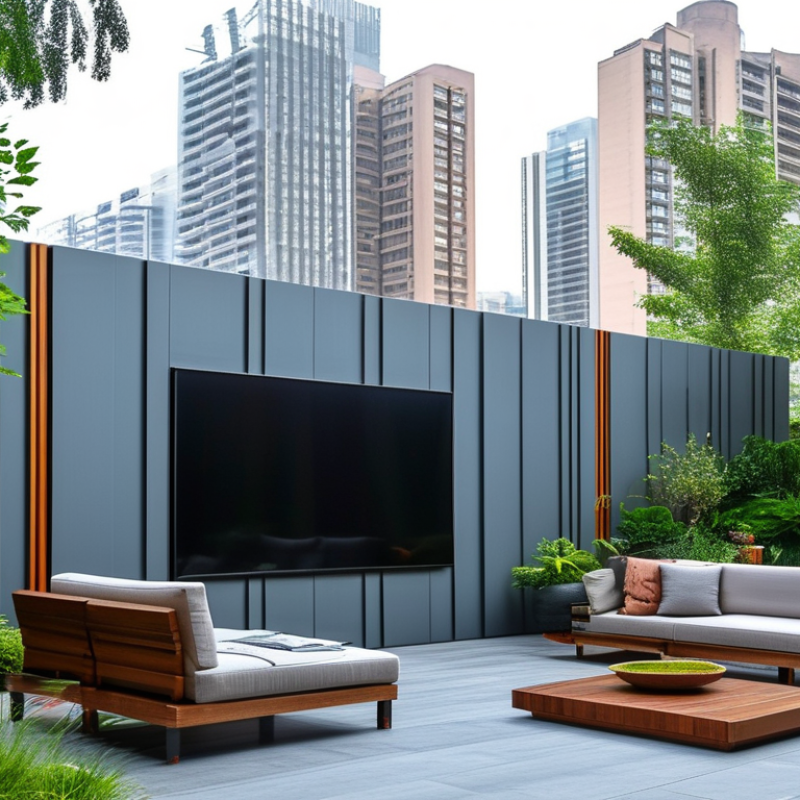
The Composition and Structure of WPC Outdoor Wall Panels
WPC outdoor wall panels have gained popularity due to their unique composition. These panels combine wood fibers, plastic, and additives. This mix creates a resilient material that withstands various weather conditions. The wood fibers provide strength, while the plastic offers durability. Together, they form a lightweight yet sturdy panel suited for outdoor use.
The structure of WPC panels contributes to their effectiveness. They often feature a layered design, enhancing thermal insulation. This makes them energy-efficient, ideal for reducing heating and cooling costs. Additionally, the panels are resistant to moisture, preventing mold growth. However, some users report difficulty in installation. This can lead to frustration and potentially damage the panels if not handled correctly. Proper guidance during installation is crucial for maximizing their benefits.
These panels are also easy to maintain. A simple wash with soap and water keeps them looking new. Unlike traditional wood, they do not require staining or sealing. This reduces ongoing maintenance time and effort. Despite their advantages, it’s essential to consider the environmental impact of production. Balancing durability with eco-friendliness remains a crucial area for improvement.
Key Advantages of Using WPC Panels in Outdoor Settings
WPC (Wood Plastic Composite) outdoor wall panels are gaining traction in 2026 for several compelling reasons. One notable advantage is their durability. According to a market report by Smith & Associates, WPC materials resist moisture, insects, and decay better than traditional wood. This means they require less maintenance. Homeowners can enjoy outdoor spaces without constant repairs.
Another key benefit is sustainability. WPC panels are often made from recycled materials, reducing waste. The Global Recycling Initiative states that using WPC can lower the carbon footprint by 30%. This appeals to eco-conscious consumers. Visually, these panels offer a variety of designs, allowing for aesthetic versatility in outdoor settings, but not every finish may age gracefully. Some color fading can occur under intense sunlight, which requires regular attention.
Moreover, WPC panels provide excellent insulation. They can help maintain temperature control, which is vital for energy efficiency. However, they may not perform as well in extreme weather conditions. It's essential to consider local climate when choosing materials. Conducting proper research can clarify these aspects. In a market where performance fluctuates, understanding the nuances of WPC panels is crucial for making informed decisions.
Discover the Benefits of WPC Outdoor Wall Panels in 2026
Comparative Analysis: WPC Panels vs. Traditional Materials
When considering outdoor wall materials, WPC panels stand out for their unique features. They combine wood and plastic, creating a durable product. Unlike traditional wood, WPC panels resist rot and humidity. This makes them ideal for wet climates. Maintenance is minimal compared to wood. A simple wash keeps them looking fresh.
Conversely, traditional materials often require regular treatments. Wooden walls need sealing and painting every few years. This can be time-consuming and costly. Metal, another alternative, may rust or corrode if not properly treated. WPC panels offer colors and finishes that can mimic wood or stone. This flexibility provides design options that traditional materials cannot match.
However, WPC panels are not without challenges. They may not have the same aesthetic appeal as natural wood for some homeowners. Environmental concerns also arise, particularly regarding plastic content. It’s crucial to reflect on these factors when choosing your outdoor materials. Balancing aesthetics, durability, and sustainability is key to making an informed decision.
Installation and Maintenance Tips for WPC Outdoor Wall Panels
WPC outdoor wall panels are increasingly popular due to their durability and aesthetic appeal. When installing these panels, it is crucial to prepare the surface adequately. Start by ensuring the wall is clean and dry. This increases adhesion and reduces future problems. Measure the wall carefully, as inaccurate dimensions can lead to wasted materials and effort.
For maintenance, regular cleaning is essential to maintain the panels’ appearance. A simple wash with mild soap and water will suffice. Be mindful of using harsh chemicals, as they may damage the surface. Inspect the panels for signs of wear or fading, especially after extreme weather events. Replace any damaged panels promptly to avoid any structural issues.
Lastly, ensure proper ventilation around the panels to prevent moisture buildup. This can lead to mold or decay over time. Monitoring the panels regularly can help catch potential problems early. Remember, even the best materials require attention and upkeep to thrive.
Future Trends: Innovations in WPC Wall Panel Design for 2026
The year 2026 is poised to witness remarkable innovations in WPC (Wood Plastic Composite) wall panel design. These panels are increasingly popular for outdoor applications due to their durability and aesthetic appeal. Designers are focusing on eco-friendly materials and advanced technologies to enhance their performance. The use of recycled content not only reduces waste but adds to the sustainability of these products.
Emerging trends emphasize customization and versatile textures. Homeowners appreciate panels that mimic natural wood but offer greater resistance to weather and pests. There’s a push for integrating smart technology into these panels as well. Imagine sensors that monitor temperature or humidity changes. Such features could significantly impact comfort levels in outdoor spaces.
Yet, there are challenges that manufacturers face. Balancing cost-effectiveness with advanced features can be difficult. Furthermore, ensuring long-lasting quality while keeping up with design trends is a complex task. Consumers might find variations in performance based on environmental conditions. Addressing these concerns will be essential for advancing WPC wall panel technology effectively.
FAQS
: WPC panels are durable, resistant to moisture, insects, and require less maintenance than wood.
WPC panels often use recycled materials, reducing carbon footprints by 30%.
Yes, they come in various designs, but some finishes may fade under intense sunlight.
They provide good insulation but may not handle extreme weather very well.
Ensure the wall is clean and dry, and measure accurately to prevent material waste.
Regular cleaning with mild soap and monitoring for wear after severe weather is essential.
Yes, signs of wear or fading should be inspected regularly to prevent decay or mold.
Yes, expect advances in eco-friendly materials and smart technology integration.
They must balance cost-effectiveness with advanced features while ensuring consistent quality.
Absolutely, regular monitoring helps catch potential issues early and ensures longevity.
Conclusion
WPC Outdoor Wall Panels have gained popularity due to their unique composition and structural benefits, making them a preferred choice for outdoor applications. These panels combine the durability of wood and plastic, offering superior resistance to weather conditions and insects. Key advantages include low maintenance requirements, aesthetic appeal, and environmental sustainability. A comparative analysis reveals that WPC panels outperform traditional materials like wood and vinyl in terms of longevity and ease of installation.
As we look towards 2026, innovations in WPC Outdoor Wall Panel designs are expected to enhance functionality and aesthetics even further. Homeowners and builders can rely on these materials not only for their impressive durability but also for their versatility in design. Proper installation and maintenance practices will ensure that these panels remain a valuable investment for outdoor spaces, combining beauty and resilience seamlessly.

 Qianbang