As global trends evolve, the demand for popular WPC wall panels continues to rise. These panels are made from wood and plastic composites, offering a blend of durability and aesthetic appeal. They are becoming the go-to choice for both residential and commercial spaces.
Innovative designs and texture options are now available in the WPC wall panel market. With increased awareness of sustainability, many buyers prefer eco-friendly materials. Popular WPC wall panels not only enhance visual appeal but also provide lasting performance. However, navigating this market can be challenging due to the plethora of choices.
Understanding the latest trends is crucial for global buyers. Options vary significantly in style, color, and finish. Some designs may not suit every environment or personal taste. It's essential to reflect on the best choices for your specific needs. Exploring these elements will help you make informed decisions in 2026 and beyond.
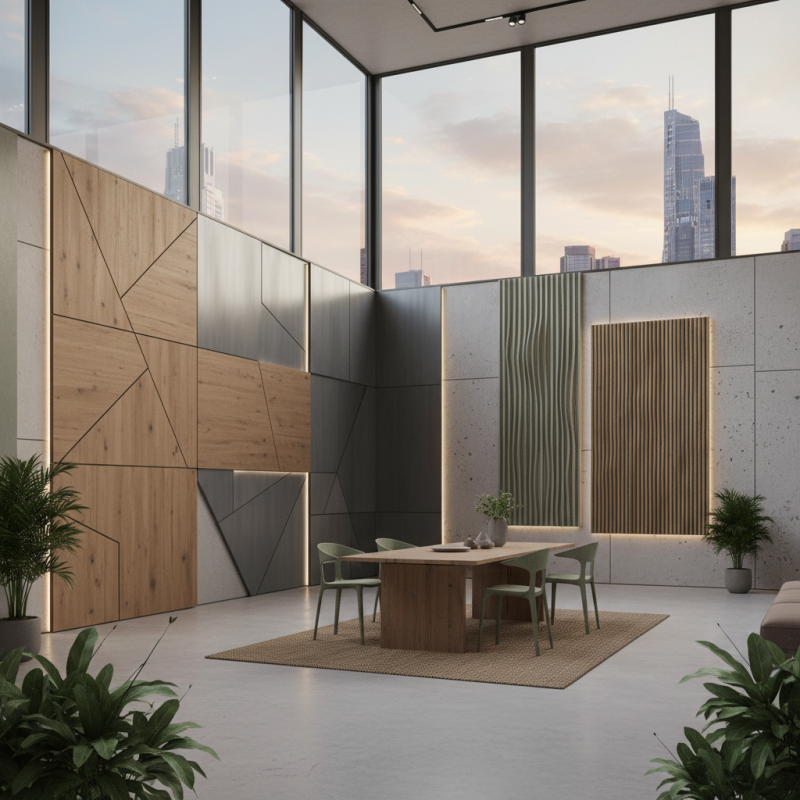
As we approach 2026, the WPC wall panel market is witnessing exciting new trends. Buyers can expect a vibrant color palette that reflects current design preferences.
Earthy tones, such as terracotta and sage green, are gaining popularity.
These colors bring warmth and a natural feel to various spaces. Additionally, bold accent colors like deep teal and mustard yellow are also making a splash.
These hues invite creativity and serve as focal points in modern interiors.
Finishes in WPC wall panels are evolving too. Matte and brushed textures are gaining traction, offering a more understated and sophisticated look. Glossy finishes, while still popular, are taking a backseat to these softer alternatives.
Buyers should consider how textures interact with light in their spaces. A textured finish can create interesting shadows, adding depth to a room. However, it’s essential to remember that trends can change quickly.
A color or finish that seems perfect today may not resonate in a few years.
Balancing current trends with personal style is crucial. While following these color trends, buyers should reflect on what resonates with them.
A wall panel that embodies unique tastes will always stand out. Investing in timeless elements alongside trendy features ensures lasting satisfaction.
Ultimately, the appeal lies in how these choices enhance the intended space.
The world of WPC wall panels is evolving, with innovative textures and patterns leading the charge. Today’s buyers are seeking unique designs that stand out. The use of wood-plastic composites allows for a blend of durability and aesthetics. Textures mimicking natural wood grains have become increasingly popular. These designs offer a genuine look while ensuring longevity against weather elements.
Patterns are also gaining traction. Geometric shapes and bold colors can transform an ordinary wall into a striking feature. Some designers experiment with layered textures, creating depth and visual interest. However, balancing innovation with functionality is essential. Not every trendy design adheres to the practicality needed for various environments.
Sustainability plays a crucial role as well. Eco-conscious consumers appreciate materials that are both stylish and environmentally friendly. Yet, this can sometimes lead to a dilemma. Buyers may wonder if a certain product is truly sustainable. The push for avant-garde designs often overshadows these important considerations. It’s a complex landscape that requires careful thought and reflection.
The WPC (Wood Plastic Composite) wall panel industry is increasingly focusing on sustainability. According to the 2023 Global Green Building Market Report, sustainable materials comprise 45% of the building sector. WPC panels offer an eco-friendly alternative, utilizing recycled wood fibers and plastics. This aligns with the growing preference for environmentally friendly construction.
In 2026, manufacturers must adopt enhanced recycling practices. A recent study highlighted that 30% of WPC materials can be sourced from recycled products. However, some companies still face challenges in sourcing these materials consistently. Innovation in production processes is vital for greater resource efficiency. The challenge remains in maintaining quality while increasing sustainability.
Research indicates that consumer demand for sustainable products rises by 20% annually. This shift pressures manufacturers to prioritize eco-practices. Despite the industry's progress, not all manufacturers implement robust sustainability measures. The path forward requires transparency in sourcing and greater accountability in production. Balancing sustainability with aesthetics continues to be a key concern for stakeholders.
The latest technological advances in WPC wall panels are transforming how we think about durability and design. New manufacturing processes enhance their resistance to moisture, making them suitable for various environments. Additionally, innovations like advanced textures and custom colors allow for more personalized aesthetics. These features not only appeal to homeowners but also to commercial developers.
Tips: When choosing WPC wall panels, consider factors like location and weather conditions. Ensure the panel’s moisture resistance aligns with your environment. Researching materials ahead of time can lead to better decisions.
Another key trend is sustainability. WPC panels made from recycled materials are more popular than ever. They meet eco-friendly standards while offering impressive performance. However, buyers should investigate the sourcing of these materials. Authenticity and quality can vary widely among manufacturers.
Tips: Look for certifications that indicate sustainable practices. This ensures the materials are genuinely eco-friendly and can help support global efforts in sustainability.
| Trend | Feature | Durability | Environmental Impact | Market Demand |
|---|---|---|---|---|
| Smart Panels | Integrated sensors for moisture and temperature | High resistance to warping | Recyclable materials | Rising demand for smart home solutions |
| Textured Finishes | Natural wood grain appearance | Fade-resistant and impact-resistant | Low VOC emissions | Popular in both residential and commercial markets |
| Customizable Colors | Wide range of colors available | Long-lasting color retention | Sustainable sourcing of pigments | Increased interest in personalized home decor |
| Enhanced Waterproofing | Advanced sealing technologies | Long-term resistance to moisture damage | Eco-friendly water repellents | High demand for wet area applications |
| Lightweight Materials | Easy installation processes | Enhanced durability against physical impact | Reduced transportation emissions | Growing trend in DIY projects |
The demand for Wood Plastic Composite (WPC) wall panels is shaped by various global market trends. Sustainable construction practices are increasingly valued. Buyers prefer eco-friendly options that have lower environmental impact. WPC panels fit this demand due to their recycled materials and durability.
Moreover, urbanization is driving changes. As cities grow, builders seek lightweight and adaptable materials. WPC wall panels are ideal for modern architecture, offering design flexibility and ease of installation. They meet the aesthetic needs of contemporary spaces while being cost-effective.
The rise of DIY home improvement also influences market trends. Many homeowners are opting for WPC panels due to their user-friendly features. However, some challenges remain. Not all consumers know how to install them properly. This knowledge gap can limit market penetration. Awareness and education about installation methods are essential for growth.
: Innovative textures and patterns are leading the trends, focusing on unique and stand-out designs.
They offer a blend of durability and aesthetics, mimicking natural wood grains while ensuring longevity.
Geometric shapes and bold colors create striking visuals. Layered textures add depth and interest too.
Yes, sustainability is crucial. Eco-conscious consumers seek stylish, environmentally friendly materials.
Not always. Buyers should reflect on the true sustainability of certain products as trends may overshadow this.
About 45% of the building sector utilizes sustainable materials, increasing consumer demand for eco-friendly options.
Consistent sourcing remains a challenge for many companies that produce WPC panels.
Consumer demand for sustainable products increases by 20% annually, pushing manufacturers to prioritize eco-practices.
It’s complex. Manufacturers must strive for transparency while maintaining high-quality aesthetics in their designs.
Consumers should consider both design appeal and the sustainability of the materials used in the panels.
The article "2026 Top Popular WPC Wall Panel Trends for Global Buyers" delves into the evolving landscape of WPC wall panels, highlighting the emerging colors and finishes that are expected to dominate the market in 2026. Innovative textures and patterns are set to redefine design trends, appealing to a wider range of aesthetic preferences.
Furthermore, the article discusses sustainability practices in manufacturing, which are becoming increasingly important to modern consumers. Technological advances are also playing a critical role in enhancing the features and durability of popular WPC wall panels. Finally, it examines global market trends influencing demand, underscoring the rising popularity of WPC wall panels in various regions. This synthesis of design, sustainability, and innovation positions WPC wall panels as a leading choice for buyers in the coming years.

Qianbang